
3 Trees That Don't Grow Well With Your Yard
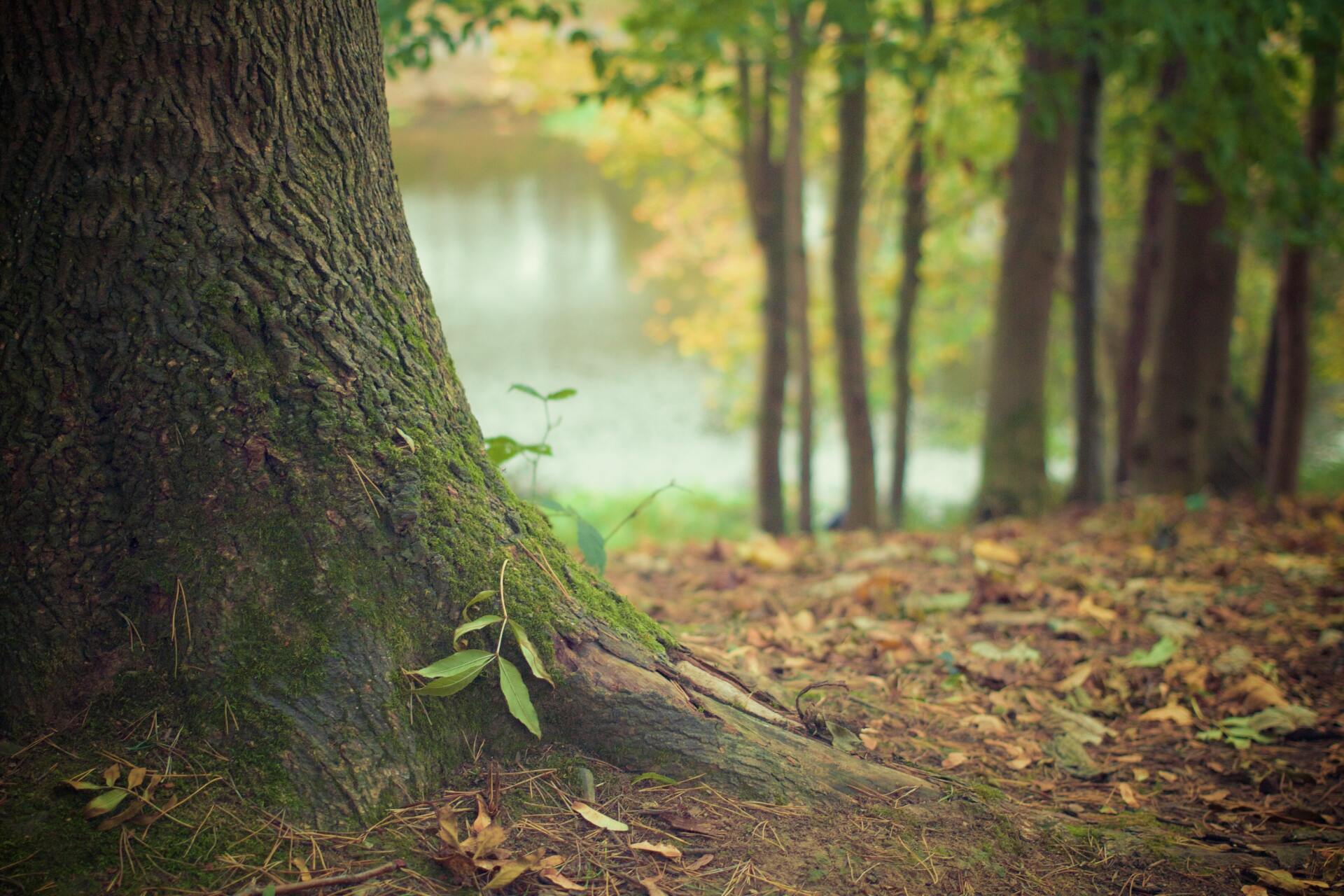
Trees can be a crowning glory to your home and property. They provide protective shade, beautify your landscape, provide food and shelter to wildlife, and bring lasting joy to your family.
However, the wrong tree choice may be more problematic for your yard over time than you think. Read on to learn more about these three trees that don't often grow well with your yard.
1. Weeping Willow Tree
Stately and elegant, weeping willow trees are often synonymous with romantic placement near a pond or other water source, where their branches trail seductively along the water. While this type of willow aids in the prevention of soil erosion, it is fraught with many problems.
Those graceful streaming branches are prone to breakage, which can quickly make a mess of your yard if you like smooth expanses of grass. Additionally, their long branches add extra weight to the tree's crown and need regular pruning, especially if a strong central leader did not develop into a trunk early in the tree's life.
Typical of fast-growing trees, willows produce shallow roots rather than developing deep root systems to seek water. The results can show up in your yard as visible roots bulge above your grass. Willow tree roots sidle up next to and damage underground pipes. You may notice cracked concrete driveways or worse, a cracked foundation in your home.
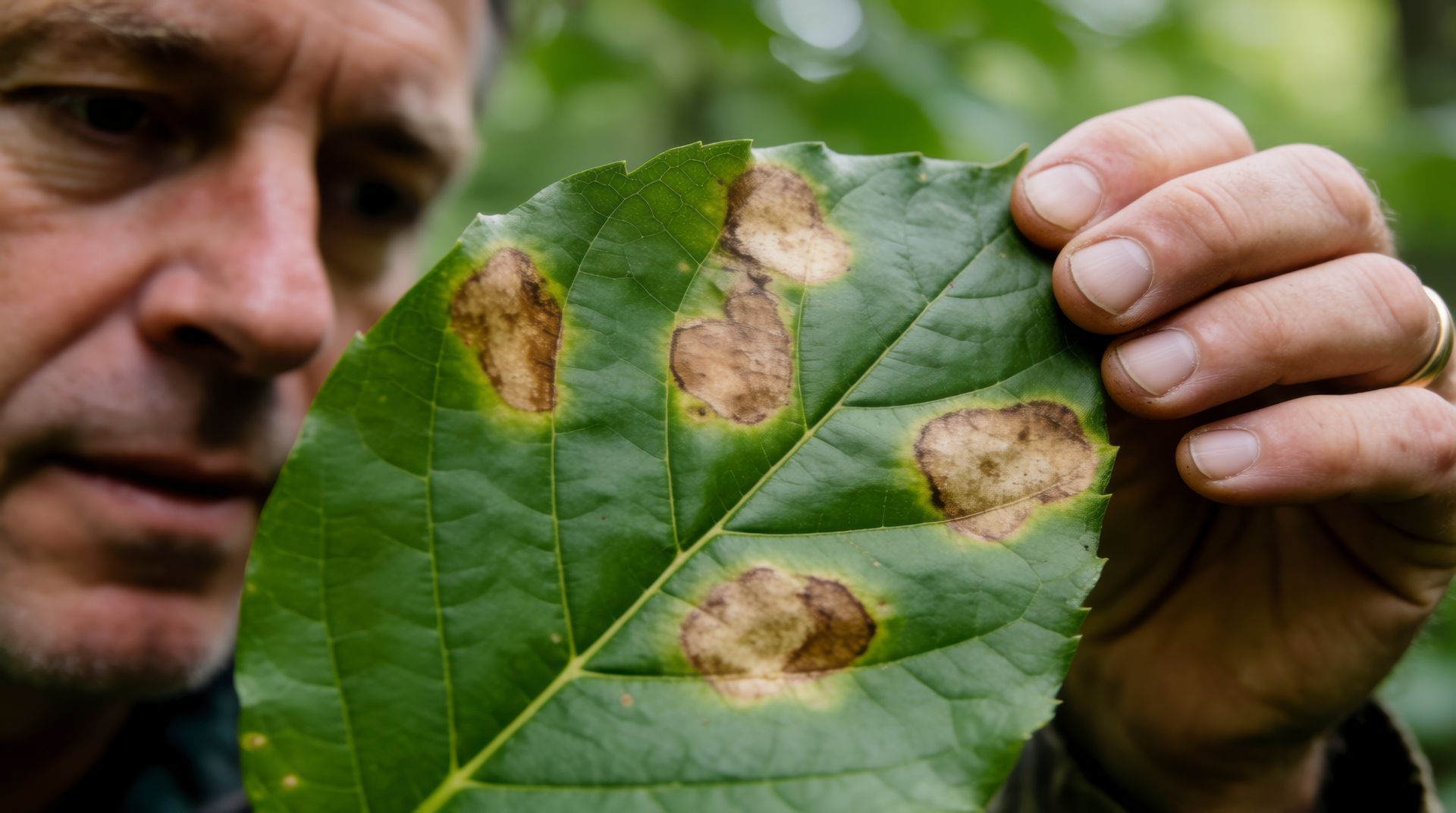
Finally, weeping willow trees experience problems with various tree diseases and pests. Regular horticultural sprays are often necessary to combat scab, blight, powdery mildew, aphids, and borers.
2. Bradford Pear Tree
Bradford pear trees are known for their symmetrical shape, stunning fall foliage, and frothy white spring blossoms. Also called the Callery pear, this tree has become a standard of choice for front yards and to line public streets.
Unfortunately, the state of Missouri recently announced the Bradford pear is an invasive species and encourages homeowners to avoid it. Interestingly, the Bradford is largely self-sterile, but it can still produce fruits and seeds if other cultivars grow nearby. Cross-pollination enables this species to produce hybrids capable of further spread with the help of birds and other wildlife.
This rapid spreading can create dense, invasive groves of Bradfords. A native of China, the Bradford crowds out native flora and eliminates precious sunlight for other, later species with its ability to leaf out earlier.
Your lone Bradford may seem harmless now, but in reality, it is capable of producing fruit and seeds with the help of other nearby Bradfords. You might find it easy to destroy saplings in your property, but seeds can still spread far and wide. Your single focal tree may inadvertently put native species in nearby forests at risk.
3. Northern Catalpa Tree
The northern catalpa tree is another showy tree found in many yards with its white orchid-like flowers. The catalpa can tolerate pollution, drought, and deer will not eat the leaves. However, you might want to think twice before you install this species in your yard.
The catalpa can reach massive sizes - up to 70 feet high and a spread of up to 50 feet in diameter. The catalpa possesses brittle branches, and the large leaves are susceptible to damage and dropping from hail or high winds. Leaf litter and broken branches can put your roof and gutters at risk for damage. Unless your yard is very large, leave this tree off of your planting list.
If you have one of these or other less-desirable trees on your property, call the tree removal experts at Baumann Tree. We can help you discover the best trees to plant in your home's front yard.