
Stump Grinding vs. Full Tree Stump Removal: Which Does Your St. Louis Property Need?
When you have a tree removed from your St. Louis, MO, property, deciding what to do with the leftover stump is the next important step. Two main options exist: stump grinding and full stump removal. Each has its own process, ideal use case, and impact on your yard.
How Stump Grinding and Full Stump Removal Actually Differ
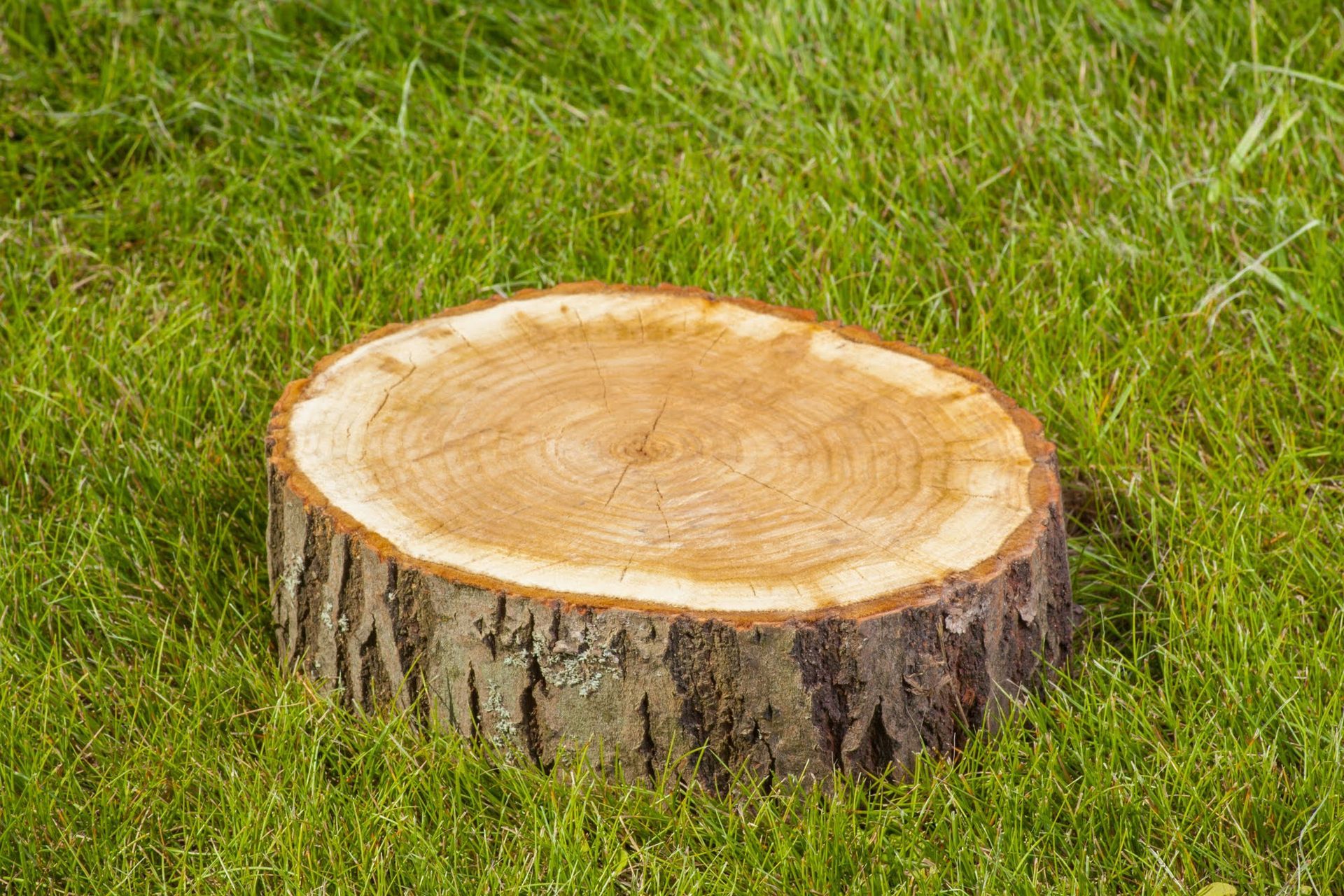
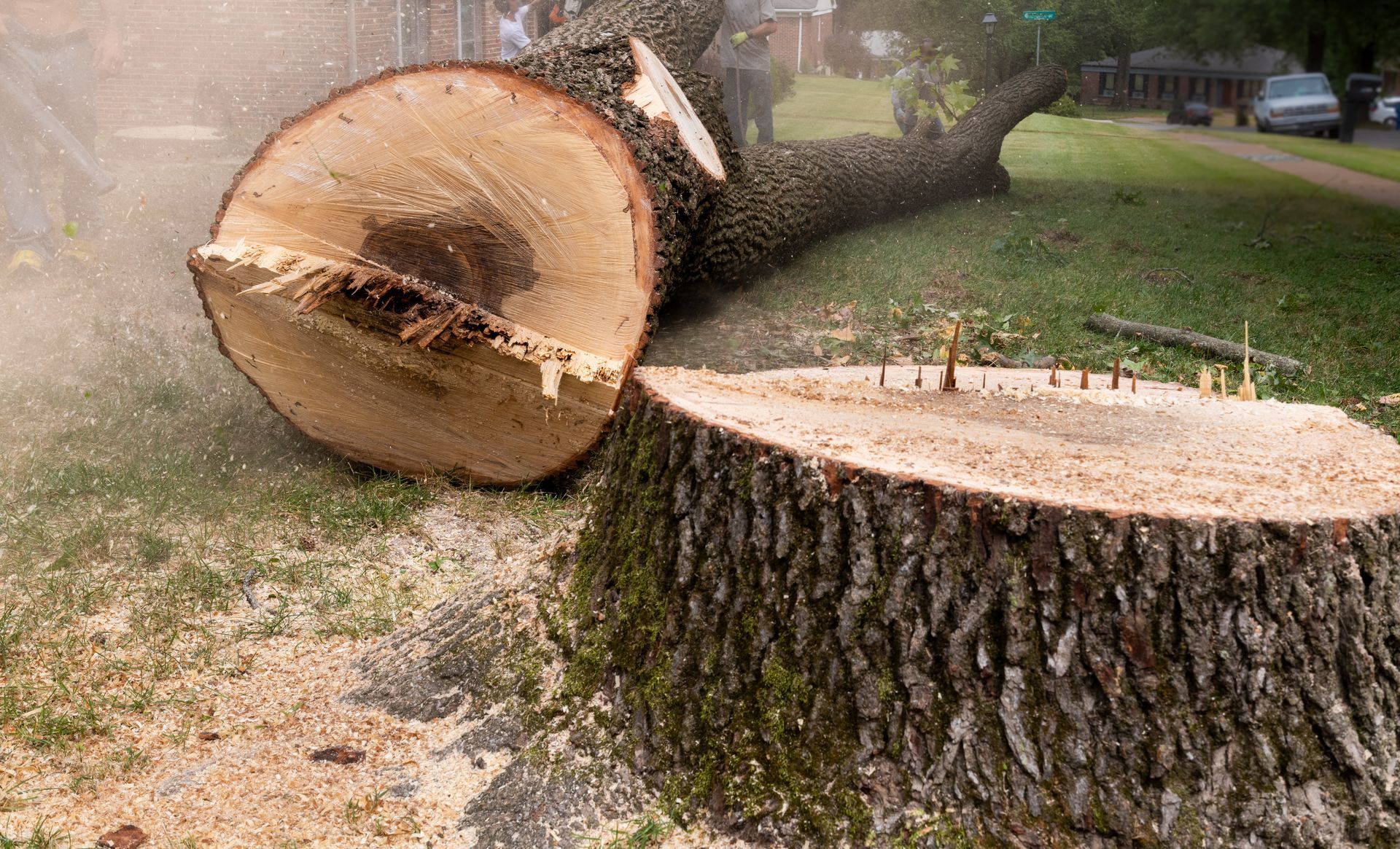
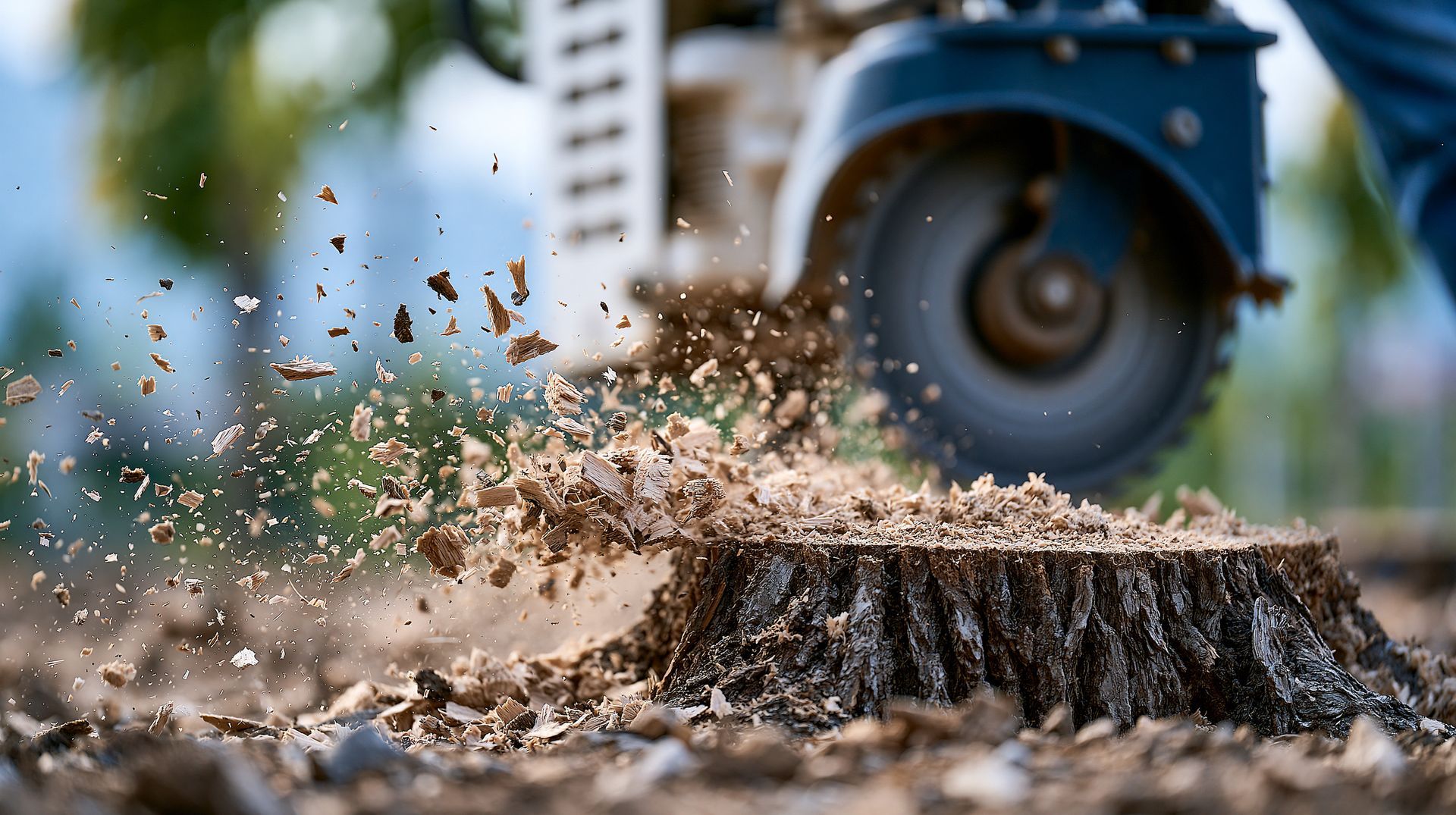
Stump grinding uses a rotating cutting machine to chip the stump down 6 to 12 inches below the soil surface. The roots remain underground to decompose naturally. The result is enough clearance to reseed with grass, add sod, or install garden beds.
Full tree stump removal goes further, excavating the stump and root ball entirely. It requires more equipment and labor, leaves a large hole that must be backfilled and graded, but gives you a completely clean slate underground.
How Does St. Louis Soil Affect the Process?
St. Louis is known for heavy clay soil that is dense and poorly drained. Clay causes tree roots to spread wide and shallow in search of oxygen, which means species like oaks and silver maples can have root systems extending well beyond the trunk. In compacted clay, full stump removal requires significant digging and can disturb more of your yard than expected. Stump grinding tends to be the more practical choice for most St. Louis residential properties.
Best Use Cases for Stump Grinding
Stump grinding is typically the right choice when you want a faster, less invasive result. It works well when:
- You plan to plant grass, lay sod, or add a garden bed over the area.
- The stump is near existing landscaping, fencing, or structures.
- You are not replanting a new tree in the exact same spot.
- You want minimal excavation and a quick cleanup.
Wood chips left behind can be used as mulch or backfilled into the site. Underground remnants break down on their own over time.
When Full Stump Removal May Be the Better Option
Full tree stump removal is the right call when a root-free result is necessary. Consider it when:
- You plan to plant a new tree in the same location.
- The site is being prepared for a structure, patio, or driveway.
- The root system may continue spreading toward foundations, pipes, or sidewalks.
The Risks of Leaving a Stump Untreated
An untreated stump can attract carpenter ants, termites, and other wood-boring pests that may eventually migrate toward your home. Stumps also become tripping hazards and can interfere with mowing, resale, or refinancing. Some species produce sprouts from old root systems. Scheduling tree stump removal promptly after a tree comes down is the most reliable way to prevent these issues.
Frequently Asked Questions
What Is the Difference Between Stump Grinding and Stump Removal?
Stump grinding chips the visible stump below ground and leaves roots to decay. Full removal extracts the entire stump and root ball, leaving a larger hole but a completely clear site.
Can I Plant a New Tree Where a Stump Was Ground Down?
For replanting in the same exact spot, full removal is recommended. Grinding leaves root material that can interfere with a new tree's development. For planting nearby, grinding is typically sufficient.
Are Stumps a Pest Risk in St. Louis?
Yes. Old stumps attract carpenter ants, termites, and other insects common to the St. Louis metro area. Prompt removal reduces the risk of pests spreading to nearby structures.
Ready to Get Rid of That Stump? Let Baumann Tree Help!
Baumann Tree, also available on Google Maps has served the greater St. Louis area for over 34 years with stump grinding, tree removal, and comprehensive tree care. Their ISA-certified arborist can evaluate your property and recommend the best approach. Call (636) 375-2812 to request your free estimate, or contact the team online to schedule a visit. Learn more on the tree services page.