Tree Disease Treatment in St. Louis: What to Watch for in 2026
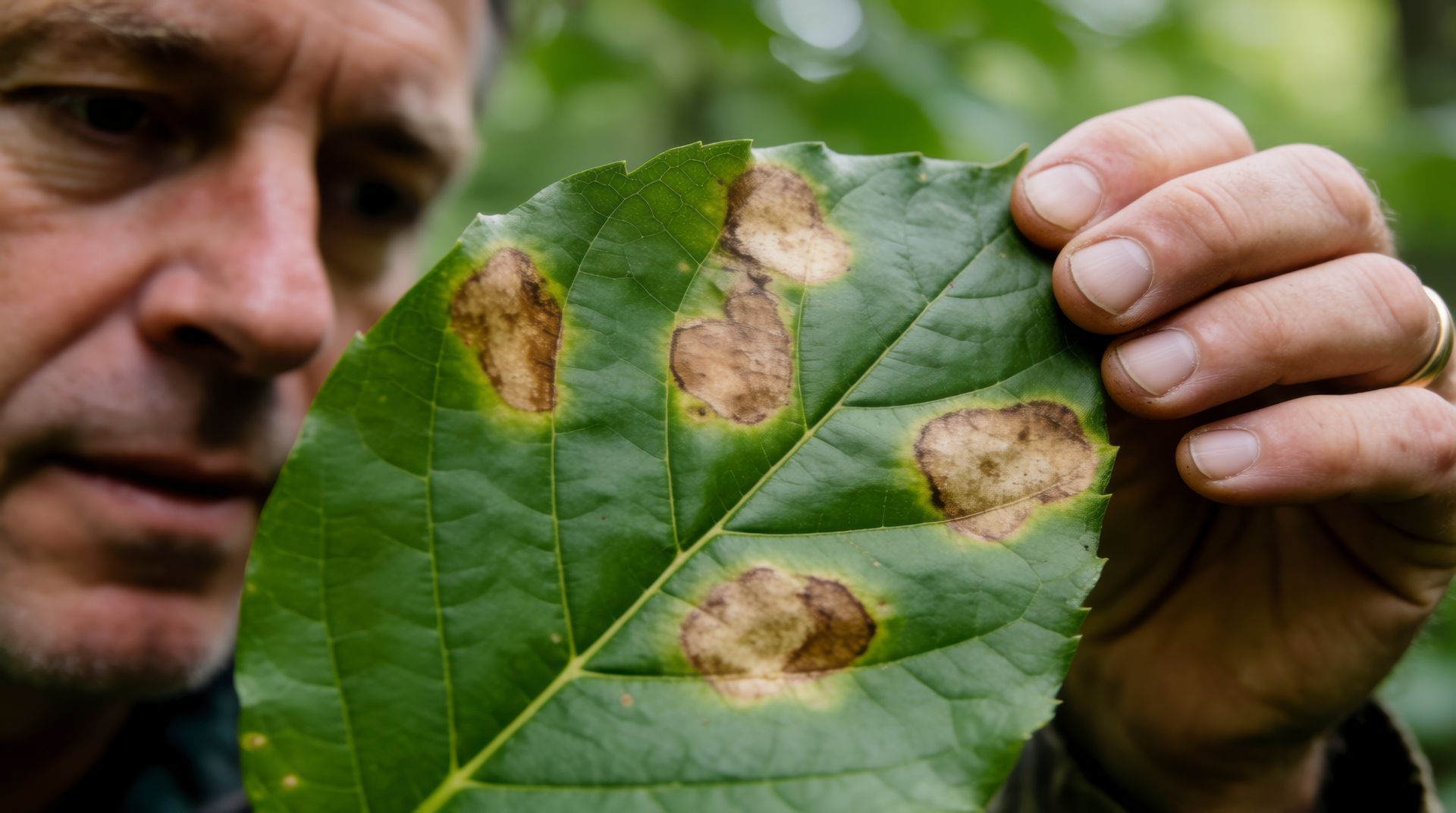
Tree disease treatment is a growing concern for homeowners across St. Louis, MO. From the ongoing devastation of the emerald ash borer to the rapid spread of oak wilt, knowing what to look for can mean the difference between saving a tree and losing it. This guide covers four diseases most likely to threaten your trees in 2026, along with clear signals that it is time to stop monitoring and start acting.
Emerald Ash Borer: Still a Major Threat in St. Louis
The emerald ash borer (EAB) remains one of the most destructive pests facing St. Louis trees. This invasive beetle kills every type of ash tree and can take down a healthy specimen in two to three years. Larvae tunnel beneath the bark in distinctive S-shaped galleries, cutting off the tree's ability to transport water and nutrients.
St. Louis has roughly 15,000 street and park ash trees, making ash the most common city right-of-way species at 17% of total trees. Watch for canopy thinning from the top down, D-shaped exit holes in the bark, and increased woodpecker activity. Tree treatments for EAB are most effective when caught early.
Oak Wilt: What Every Missouri Oak Owner Should Know
Oak wilt, caused by the fungus Bretziella fagacearum, is lethal, especially to red oaks. Sap-feeding beetles carry spores to fresh wounds during the growing season, and the disease can then move through root grafts to neighboring trees. Red oaks can defoliate within two to six weeks and die within a year.
Do not prune oaks from mid-March through June. Fresh wounds during this window attract the beetles that spread the fungus. Fungicide injections before symptoms appear offer meaningful protection. DNA testing for oak wilt became standard in 2025 and is free at the MU Lab through 2026, giving St. Louis property owners a low-barrier way to confirm infections before committing to tree disease treatment.
Dutch Elm Disease: An Ongoing Concern for Elm Trees
Dutch elm disease is a fungal infection transmitted by elm bark beetles that enters wounds and blocks water flow through the sapwood. Watch for yellowing and wilting leaves on individual branches, followed by rapid browning spreading across the crown. Tree treatment is most successful before dieback reaches the major limbs.
Some municipalities enforce pruning moratoriums when beetles are most active. Before doing any work on an elm, check with your local urban forestry or planning department to confirm you are in compliance.
Fire Blight: A Bacterial Threat to Ornamental Trees
Fire blight, caused by Erwinia amylovora, affects apple, crabapple, pear, hawthorn, and related species. Ornamental pears, including Bradford and Cleveland varieties, are especially vulnerable. The most obvious sign is the "shepherd's crook," where branch tips curl and turn dark brown or black. The bacteria spread through insects, wind, rain, and careless pruning. Tree disease treatment relies on timing: pruning during dry conditions or dormancy limits how far the pathogen travels through the vascular system.
When to Call an Arborist
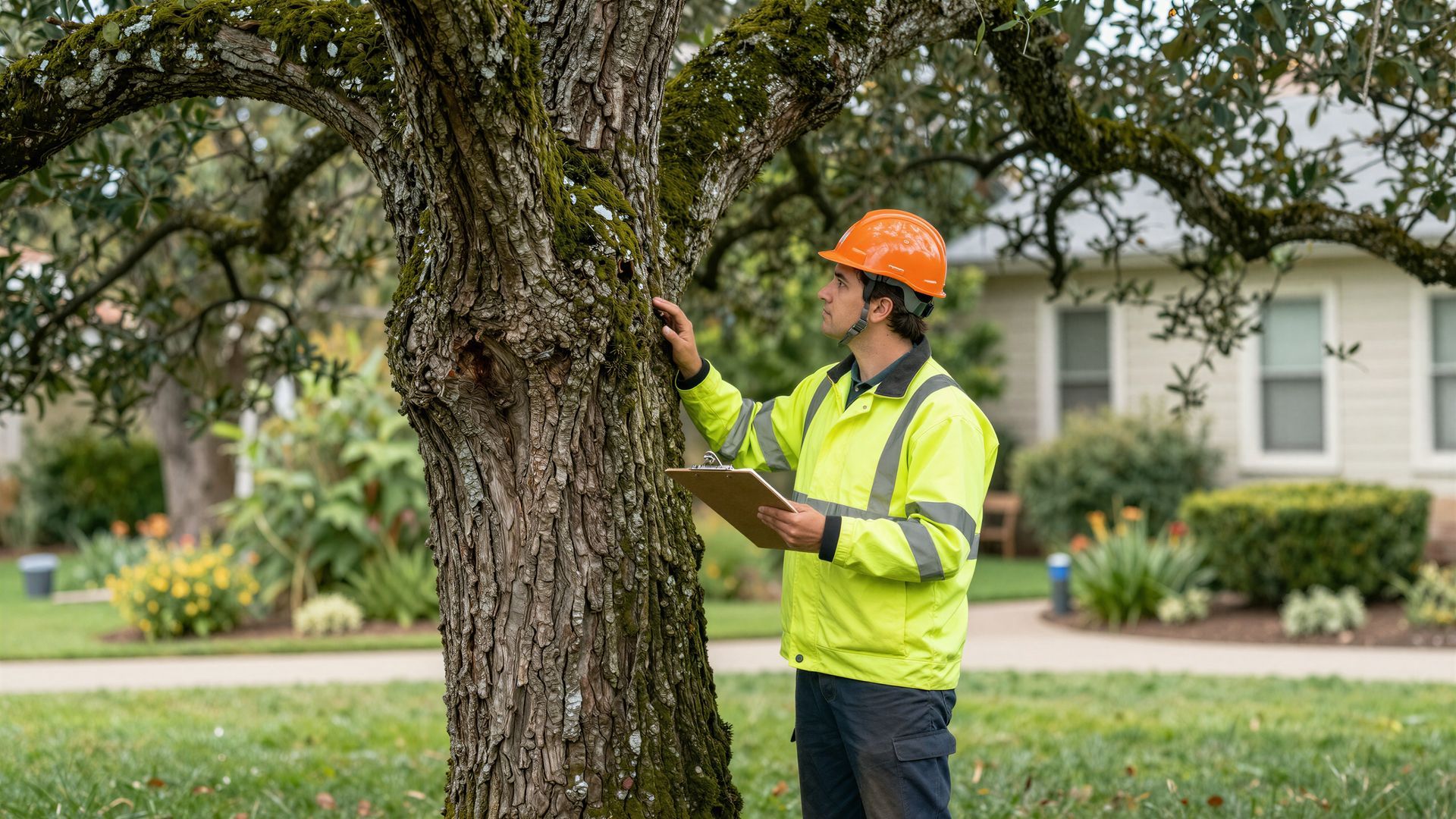
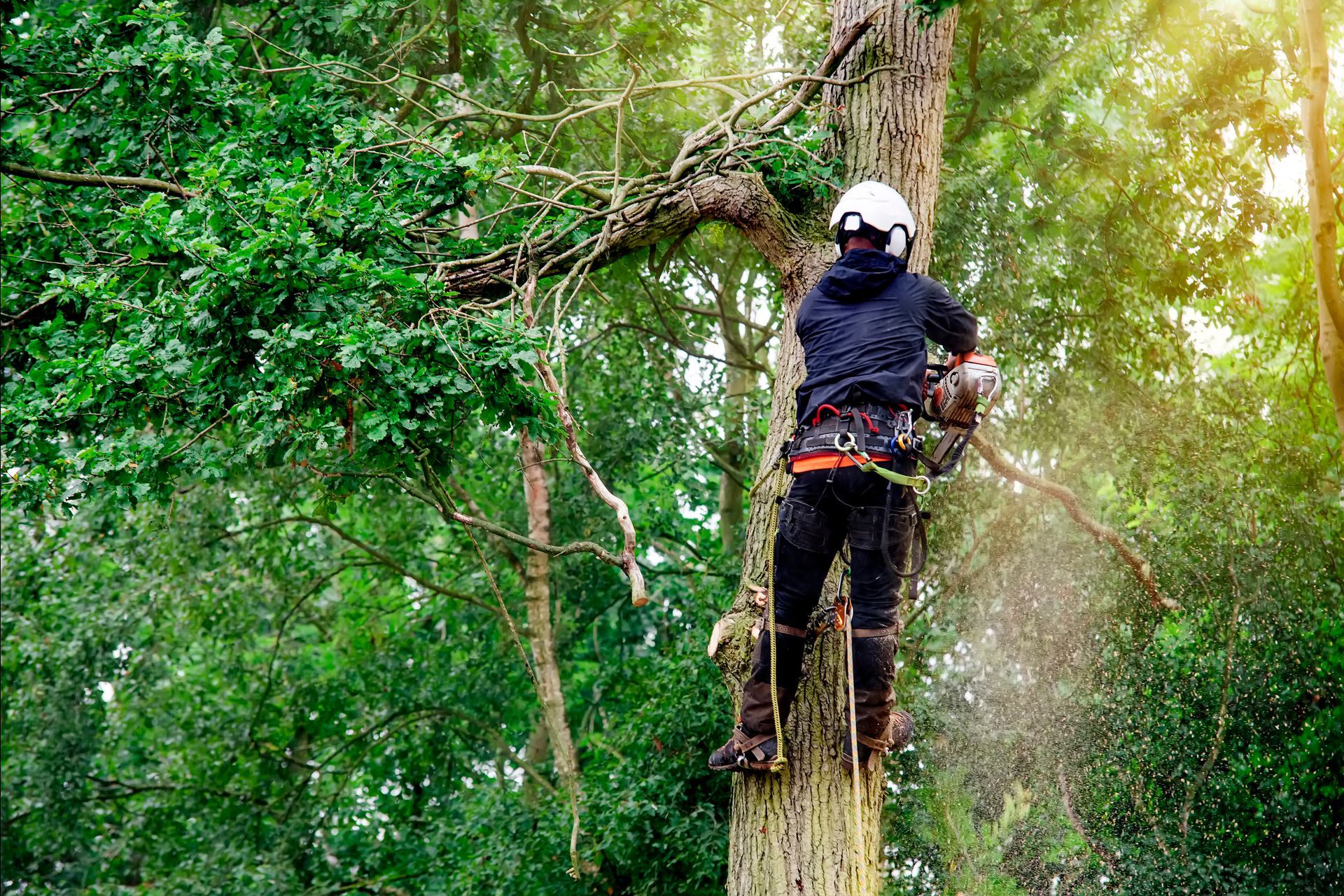
Call a certified arborist promptly if you notice sudden canopy dieback from the top down, D-shaped holes in ash bark, wilting spreading across connected trees, dark streaking under oak bark, or shepherd's crook tips on ornamental pears or crabapples. Even when symptoms seem minor, a professional inspection is worthwhile. Most tree pests target stressed trees first, making consistent care essential to prevention.
Protect Your St. Louis Trees With the Right Help
Tree disease treatment in St. Louis, MO is most effective when problems are caught early and handled by professionals with local knowledge. Baumann Tree offers disease treatment as part of a comprehensive range of tree care services for residential and commercial properties across the St. Louis area. To schedule a free inspection, contact the team today or call (636) 375-2812 to speak with a specialist. You can also find and review Baumann Tree on Google Maps.