
Storm-Damaged Trees in St. Louis: What to Do in the First 24 Hours
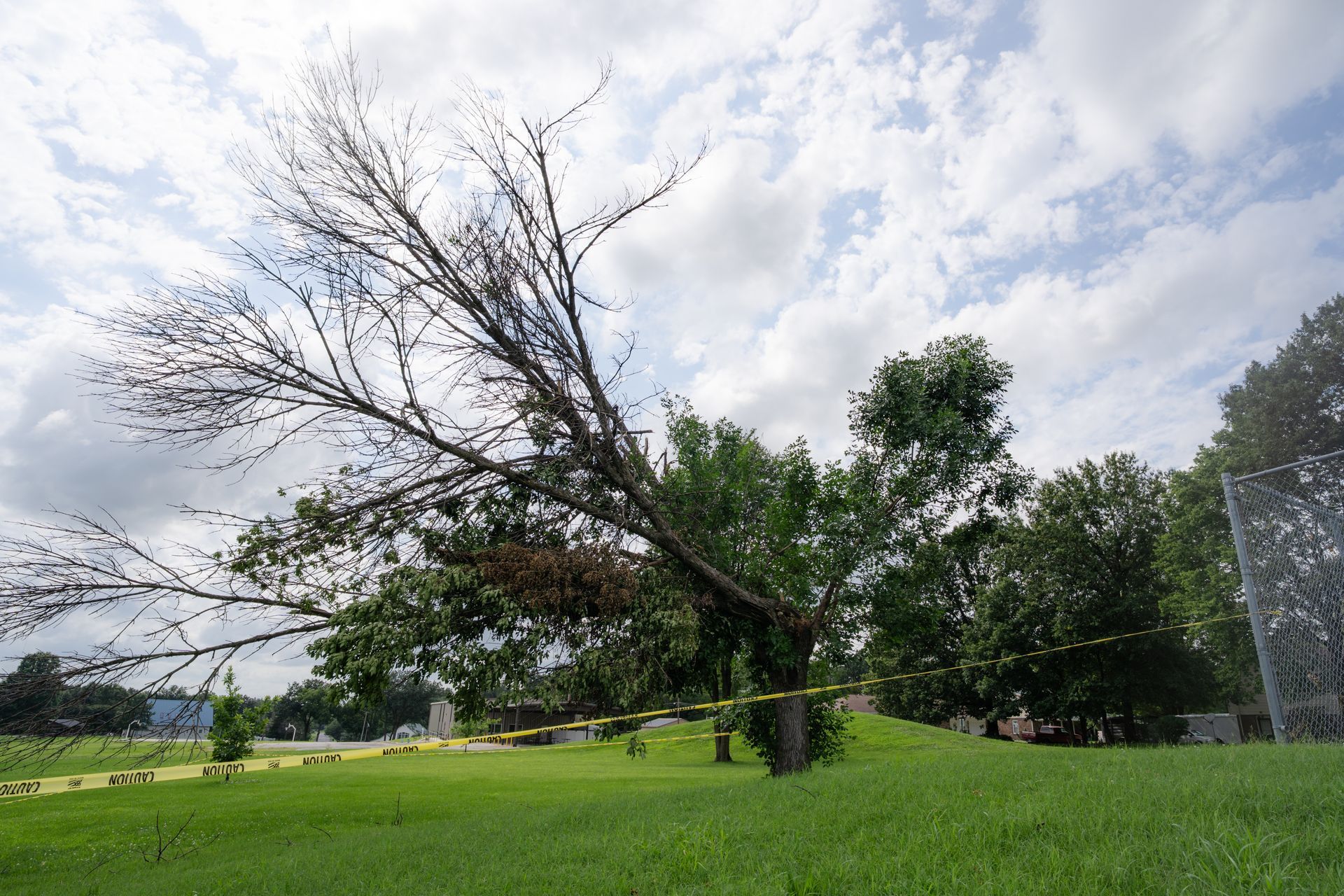
Storm damage can strike fast, and knowing what to do in the first 24 hours may protect your home, your family, and your insurance claim. Severe weather is a recurring reality across St. Louis, MO, where supercell thunderstorms, straight-line winds, and tornado-warned systems can push through Jefferson County, Fenton, Arnold, and Florissant in minutes. Calling a storm damage tree service promptly can prevent a manageable situation from becoming a costly one.
What to Expect from a Storm Damage Tree Service Response
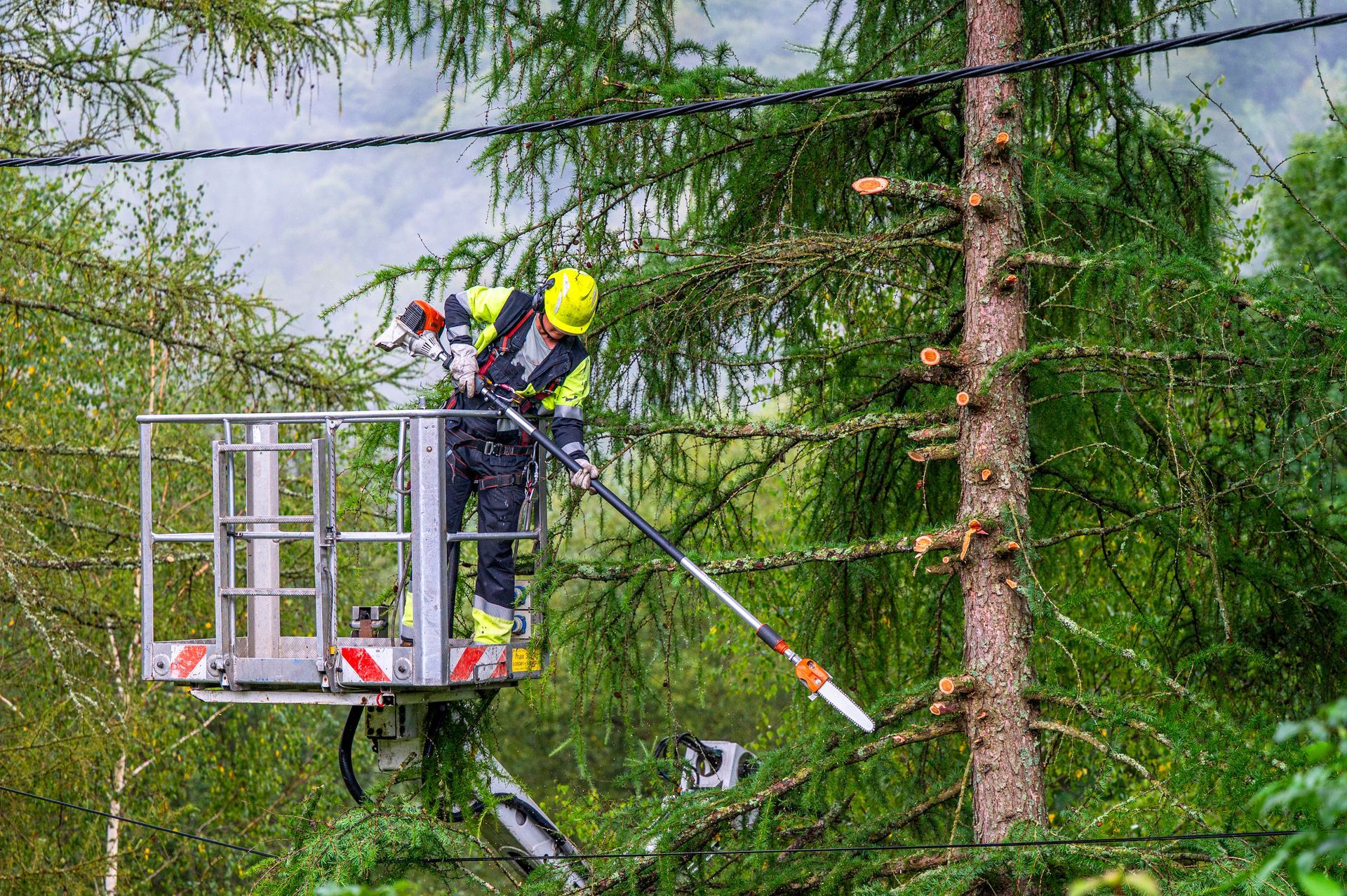
When you call for storm damage tree service in St. Louis, MO, a crew can typically assess the situation and perform emergency work to make the property safe. The first priority is usually removing the portion of the tree that poses an immediate risk. Full removal or stump grinding may follow as a separate scheduled service. Visit the services page to learn more.
List of services
-
Step 1 — Prioritize Safety Above All ElseList Item 1
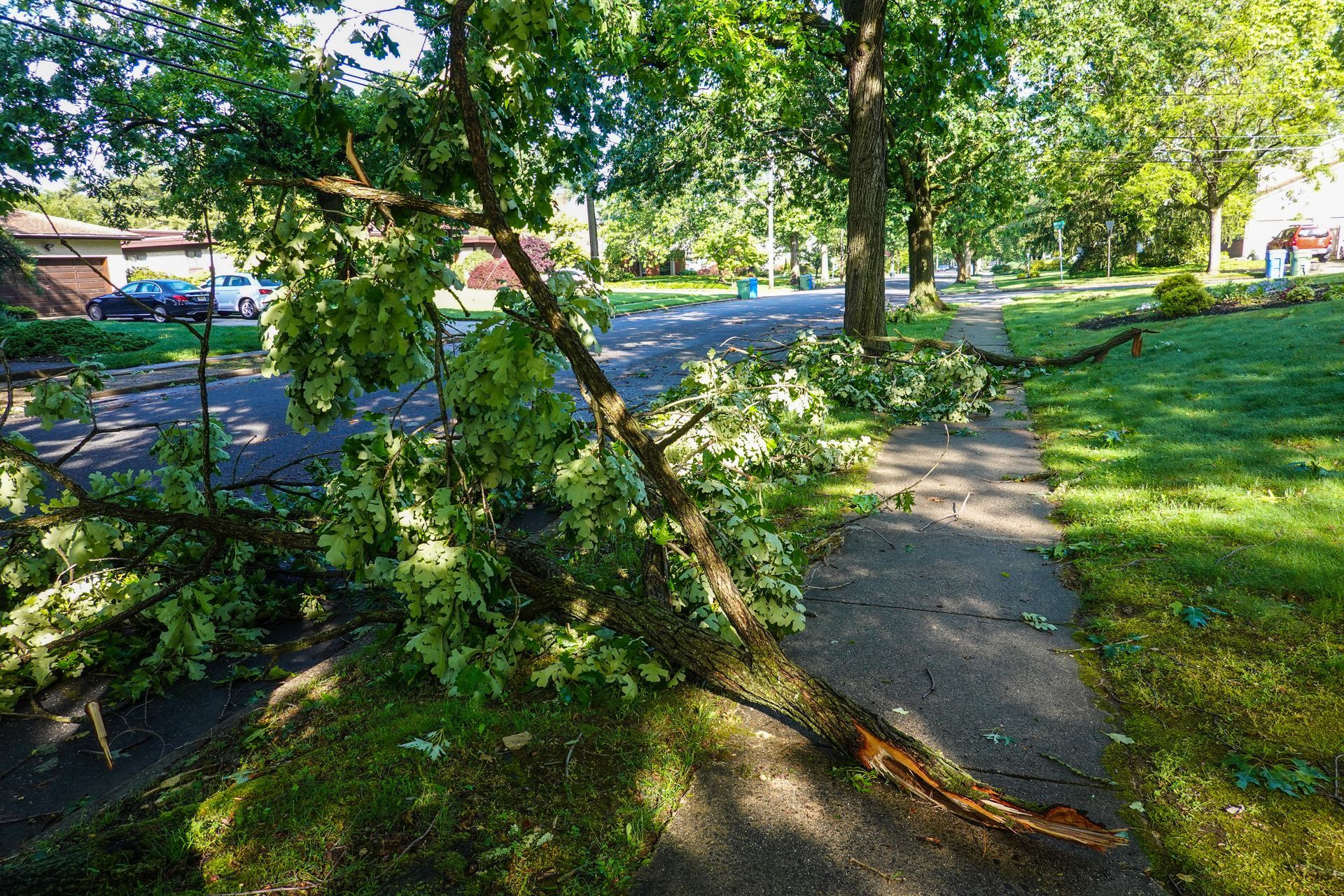
Keep everyone away from the damaged tree until a professional can assess it. Downed limbs may be under tension and can spring back or shift without notice. If a tree or large branch has fallen near power lines, treat those lines as live and contact Ameren Missouri before approaching. Never attempt to move a tree touching a utility line on your own. Also check whether the root ball has lifted, as a tipped root system can leave a hidden void in the soil that poses a fall hazard.
-
Step 2 — Document Everything Before Cleanup BeginsList Item 2
Thorough documentation is essential for a successful homeowners insurance claim. Take wide-angle photos showing the full tree and its point of failure, then close-up shots of where it has contacted the house, fence, vehicle, or other structures. Do not move debris before photographing it. Note the date, time, and weather conditions. This supports your claim and helps your adjuster estimate damage more accurately.
-
Step 3 — Call Your Insurance Company EarlyList Item 3
Notify your homeowners insurance provider as soon as it is safe to do so. Most policies cover damage to a structure caused by a fallen tree, though coverage for removal itself can vary. Ask your adjuster what documentation they need and whether a written estimate from a storm damage tree service is required. Keep receipts for any emergency tarping or temporary repairs, as these costs may be reimbursable. If at all possible, avoid signing contractor agreements before consulting your insurer.
Emergency Removal vs. Standard Removal
Emergency removal is typically needed when a tree or limb poses an active threat to life, utilities, or a structure, such as a trunk resting on a roof or a tree leaning against a power line. Standard removal may apply when the tree has fallen into an open yard with no immediate risk. If you are unsure, treat the situation as an emergency and contact a professional for an assessment.
Common Questions
Does Homeowners Insurance Cover Storm-Damaged Tree Removal?
Is It Safe to Stay in My Home if a Tree Has Fallen on the Roof?
If there is any question about structural integrity or the tree is still shifting, vacate until a professional assessment is complete.
How Long Do I Have to File a Storm Damage Claim?
Most companies recommend filing as soon as possible. Delays can complicate the process and allow secondary damage like water intrusion to worsen before it is documented.
Get Help from Baumann Tree Serving St. Louis
Baumann Tree serves St. Louis, MO, and surrounding communities including Jefferson County, Fenton, Chesterfield, Wildwood, and Florissant. Call (636) 375-2812 or request a free estimate online.