
4 Common Pests That Can Harm Your Trees
Trees in your backyard or garden can add beauty to your outdoor space and provide a natural habitat for birds, insects, and other animals. Unfortunately, some less desirable pests can also wreak havoc on your delicate trees, leading to significant damage if left unchecked. Here is an overview of four common pests that can harm your trees so you can take the necessary steps to protect them.
1. Aphids
Aphids are colonial insects with small, feathery bodies. They range in size from 1/16 to 1/8 of an inch and might be pale green, yellow, grey, or brown. You can distinguish aphids from other tree parasites by their distinctive tail-like hind end.
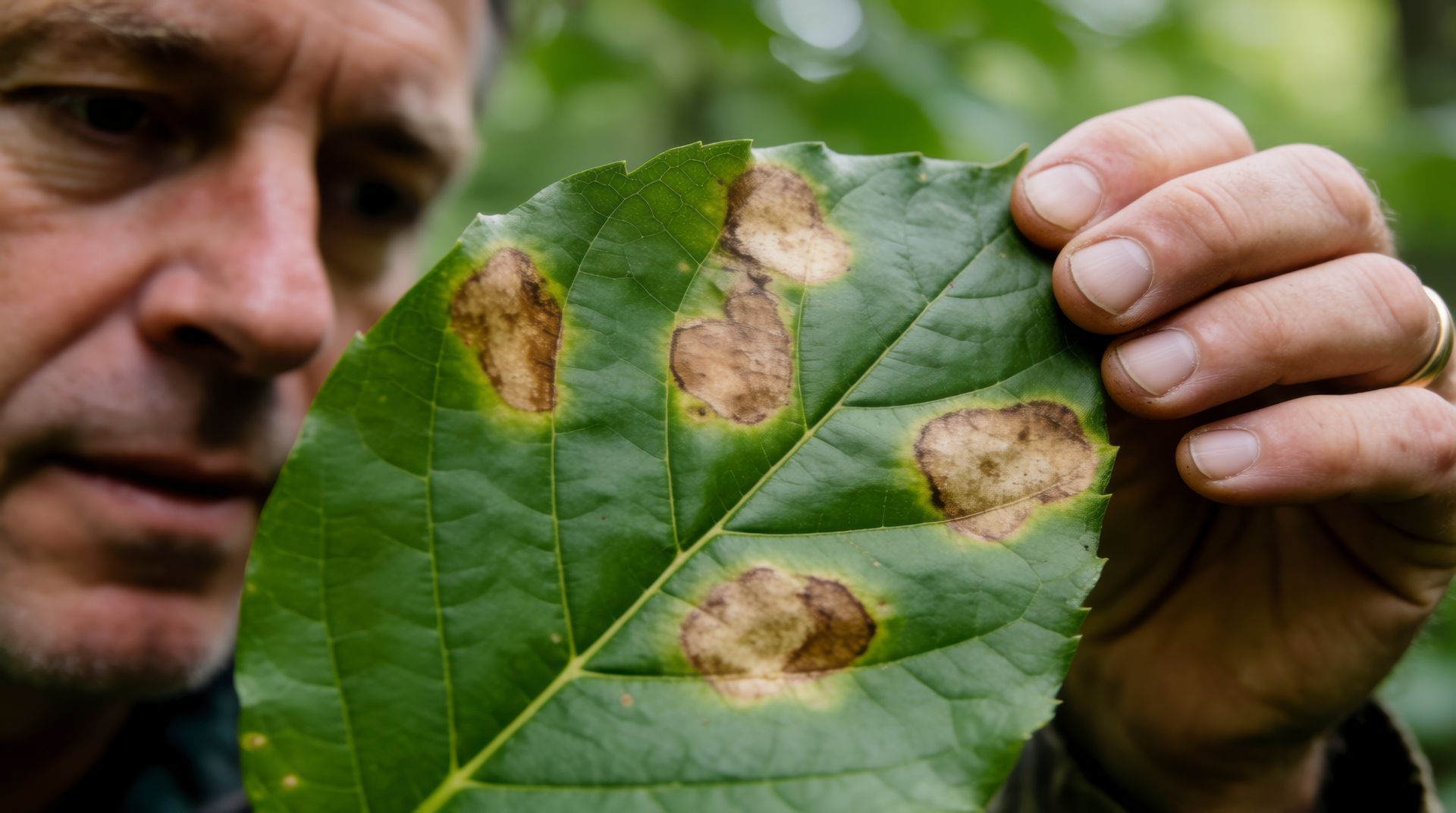
Large populations can cause ugly deformities in foliage like curling, discoloration, and malformed leaves. In addition, they can secrete copious amounts of honeydew, a viscous material that encourages the growth of sooty mold.
Oaks, pines, fruit trees, poplars, willows, and maples are susceptible to assault from aphids because they rely on the tree's sap for sustenance. Aphids can rapidly multiply to result in hundreds to thousands of adults thanks to their ability to deposit eggs in the fall and have them hatch in the spring.
Aphid infestations also manifest in other ways, such as the death of plant shoots and reduced growth. If you have aphids on your trees, the sticky fluid they secrete could end up all over your lawn furniture or automobile. If you notice these symptoms, it's time to take action to rid your tree of the pests causing harm.
2. Asian Longhorn Beetle
Adult Asian longhorn beetles are black with distinctive white markings and can reach up to 1.5 inches. When female beetles lay their eggs in tree bark, the developing larvae bore into the wood, causing damage to the tree's vascular system. The larvae compromise the tree's structural integrity to the extent of failure.
Discoloration, drooping foliage, pencil-sized holes, sawdust along the trunk, and dust-like frass on the limbs are all possible symptoms of Asian longhorn beetle infestation in trees. To prevent infestation, never transport firewood or other wood products that may be afflicted with this destructive bug over long distances.
3. Gypsy Moth
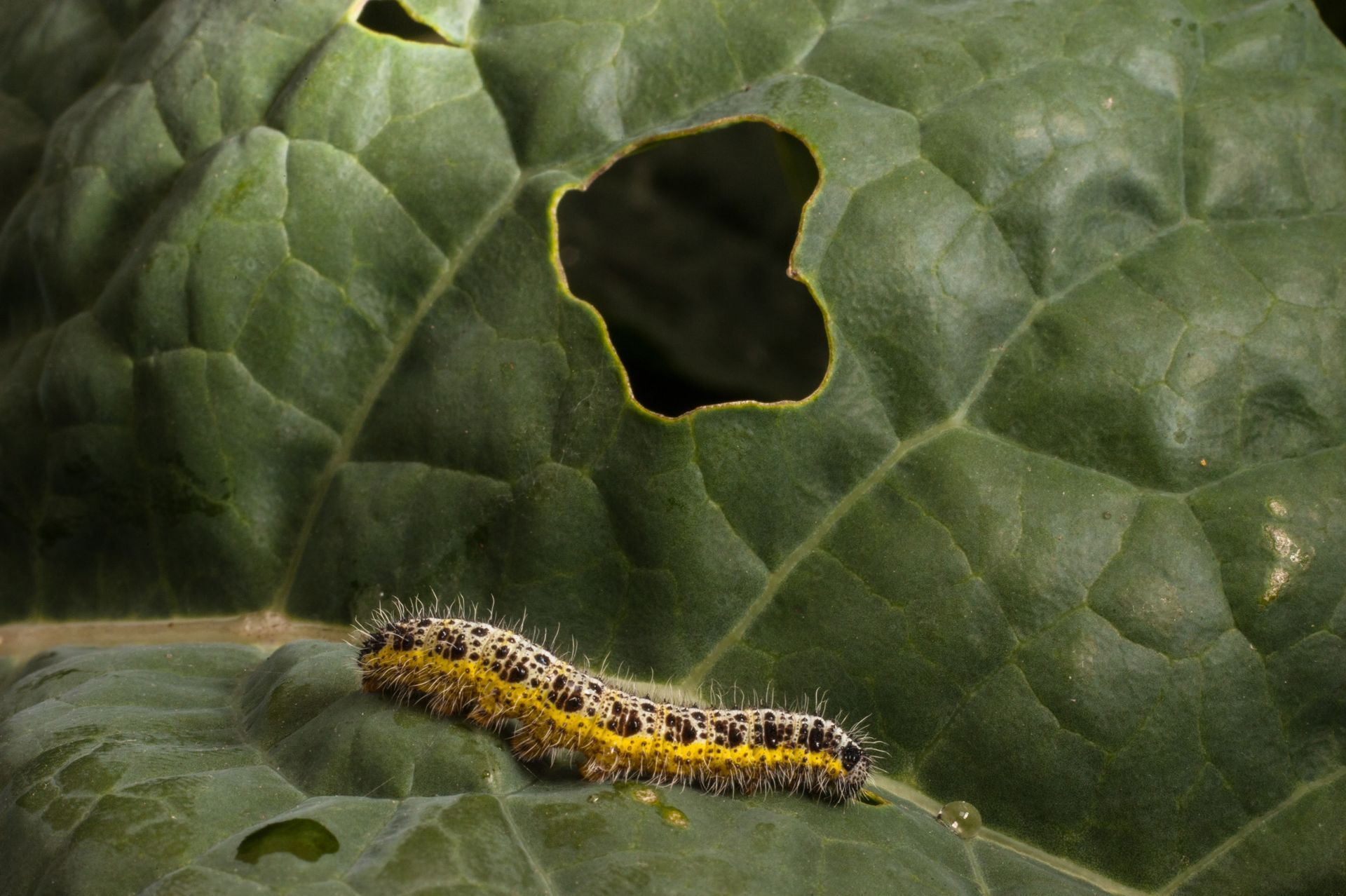
Gypsy moths lay hundreds of eggs, and the resulting caterpillars feed mostly on elm, oak, maple, and birch trees. Caterpillar larvae can harm and sometimes completely defoliate plants by feeding on their leaves.
The females deposit yellowish and tear-dropped egg clusters on tree trunks. Each mass can contain as many as 500 eggs. The appearance of these eggs in the spring is often the first indication of gypsy moth presence.
Preventative measures include the management or removal of stressed trees and pest breeding grounds and sanitation. In addition, throughout the mothless season, you should employ baited traps to catch adult moths and eliminate all egg masses.
Conduct routine tree maintenance and watch for pest activity since trees with their leaves repeatedly removed might become stressed and susceptible to attack.
4. Scale Insects
Scale insects suck the sap of trees and other woody vegetation. You can find them on the stems, leaves, and fruits. The strong exoskeleton of a scale insect allows it to bore into the surface of a plant and feed on the phloem. If not treated, this leads to wilting, discoloration of leaves, branch dieback, stunted growth, and possibly plant mortality.
Scale insect infestation will also cause a decline in vitality and will show a significant presence of colonies of sooty mold on different tree components. Homeowners must be on alert for signs of infestation later in the winter so they can take action quickly. You can manage scale infestations with trimming, insecticidal detergents, and horticultural oils.
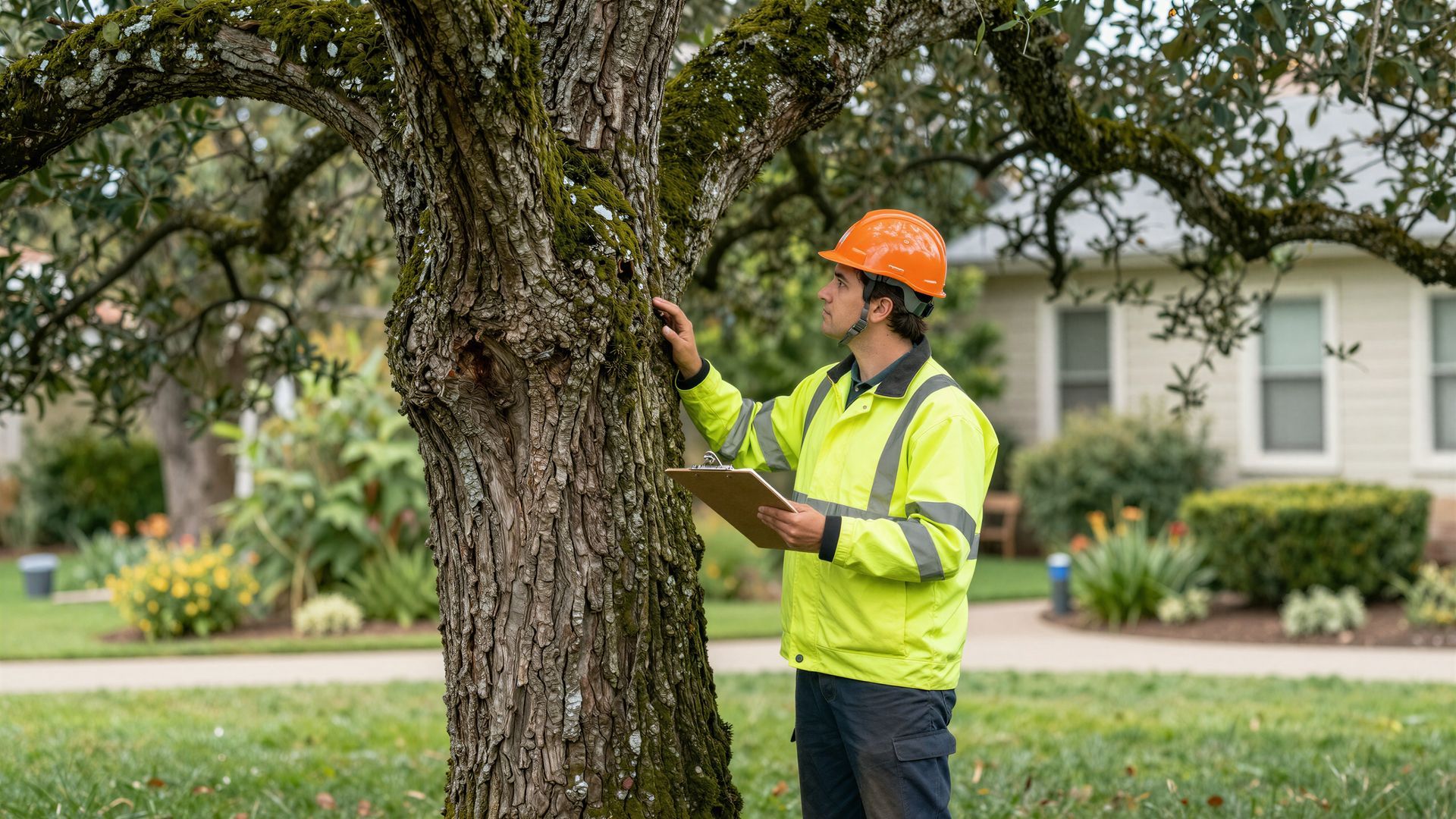
Contact us at Baumann Tree for arborist services if you notice extensive tree damage after a pest infestation.