
Do You Need a Permit for Tree Removal in St. Louis, MO? A Homeowner's Guide
Knowing a tree needs to come down and knowing whether you need a permit first are two very different things. For homeowners, skipping that step can lead to fines, delays, or a denied project. This guide covers what St. Louis City and St. Louis County require for tree removal in St. Louis, MO, when permits apply, what exceptions exist, and how a qualified arborist can help you stay compliant.
Why St. Louis, MO, Has Tree Removal Rules
Permit requirements help manage St. Louis, MO's urban forest, protect property values, and ensure public safety. The region is home to mature hardwoods, aging elms, and ash trees threatened by the Emerald Ash Borer. Keeping those trees standing when possible benefits the whole neighborhood, from shade and air quality to curb appeal. Understanding the rules before you act can save you time and money.
St. Louis City vs. St. Louis County: Two Different Sets of Rules
Where your property sits determines what rules apply. St. Louis City and St. Louis County are separate jurisdictions with different requirements.
St. Louis City Permit Requirements
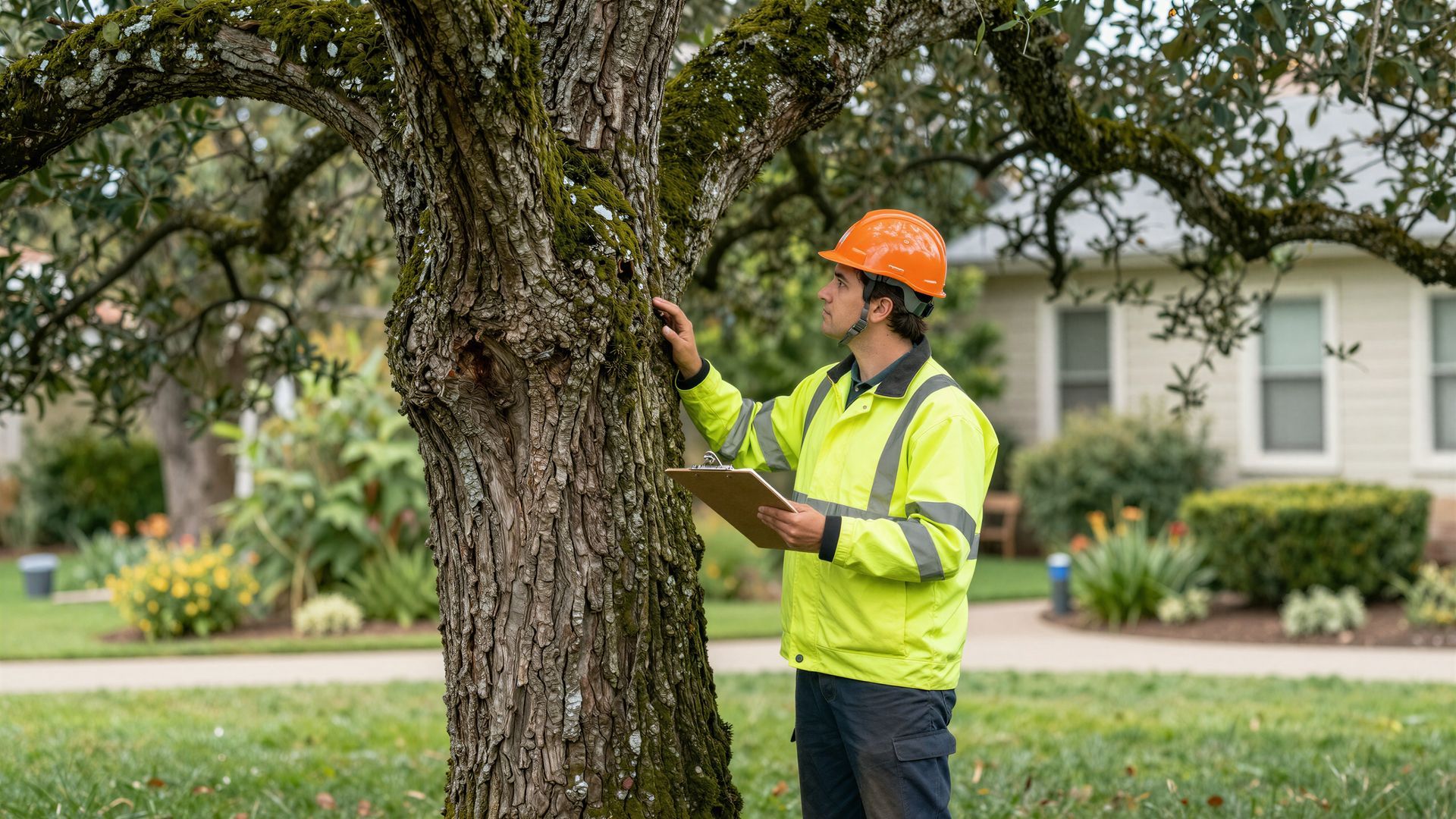
The City of St. Louis requires a permit for removal on both public and private property within city limits, enforced by the city forester. Permits are only issued to a commercial tree service with at least one ISA-certified arborist on staff and a current St. Louis, MO, business license, so most homeowners must hire a qualified company to handle that step.
The site will be inspected prior to approval. Removal is approved for trees considered high risk or for other reasons determined by the Commissioner of Forestry. If removal is not related to high risk but instead to construction or similar reasons, a fee may be required to cover replanting costs elsewhere. All permits expire 60 days after issuance.
St. Louis County Permit Requirements
In unincorporated St. Louis County, tree removal on private property generally does not require a permit. However, trees on public property or within the public right-of-way require permission from county authorities before removal.
Individual municipalities set their own rules. Cities like Brentwood and Clayton follow separate ordinances, and communities like Wildwood, Kirkwood, and Webster Groves may have added protections for large or heritage trees.
Always check with your specific city's planning or public works department before scheduling a removal.
When Is a Permit Always Required?
Street trees in the public right-of-way always require a permit, regardless of condition. Even if the tree sits in front of your house, you do not own it if it is in the ROW. Trees in public parks or on other city-owned land also require approval.
Ash tree removals deserve special attention. Due to the Emerald Ash Borer threat, removing ash trees often requires a specific permit or notification. St. Louis City has managed tens of thousands of street trees affected by EAB, and the permit process helps the Forestry Division track and plan removals across the city.
What About Hazardous or Dead Trees?
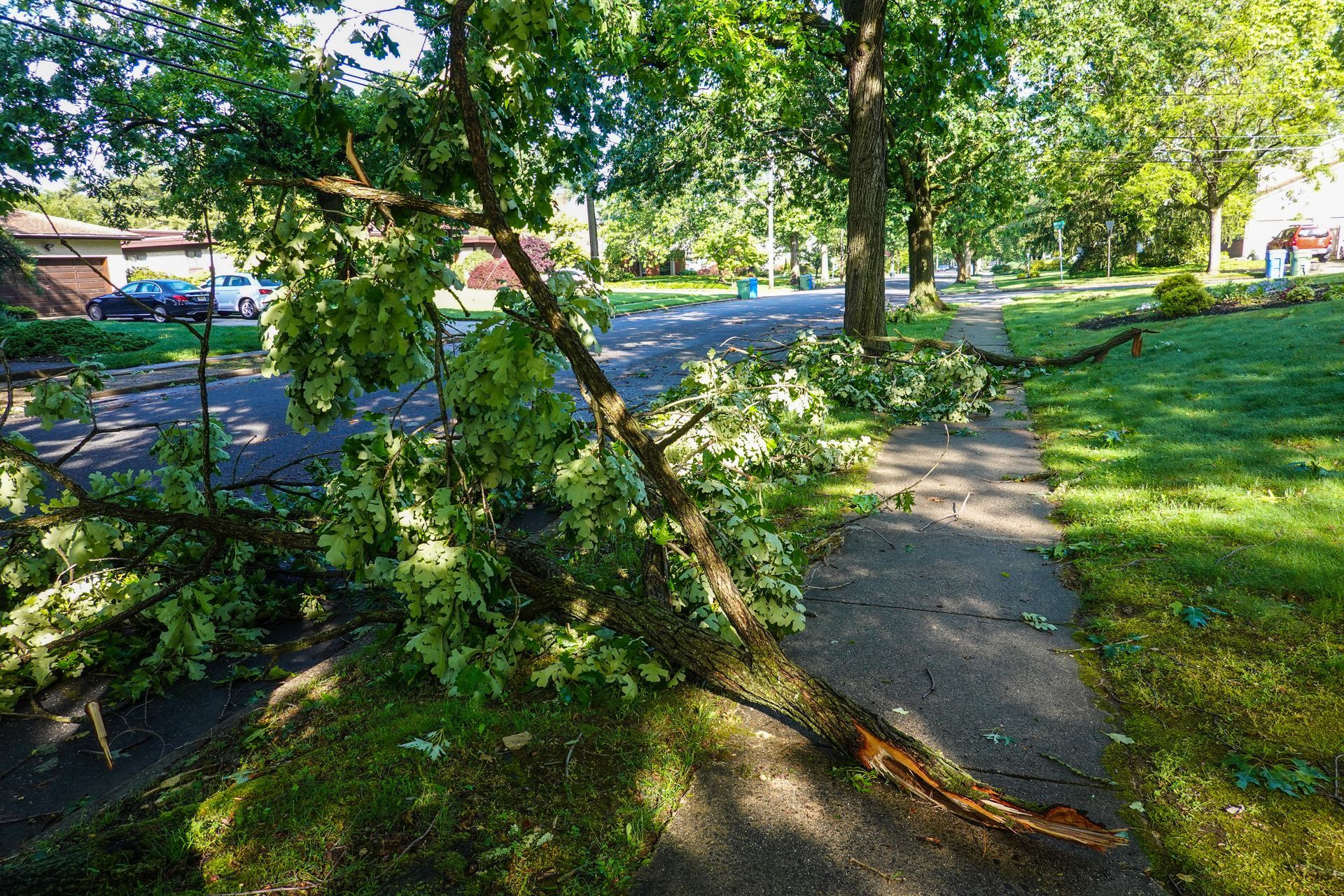
Dead and hazardous trees often follow a faster path. Most cities have expedited approval for dead, dying, or hazardous trees with arborist documentation, typically with a one-to-five business day turnaround for removal.
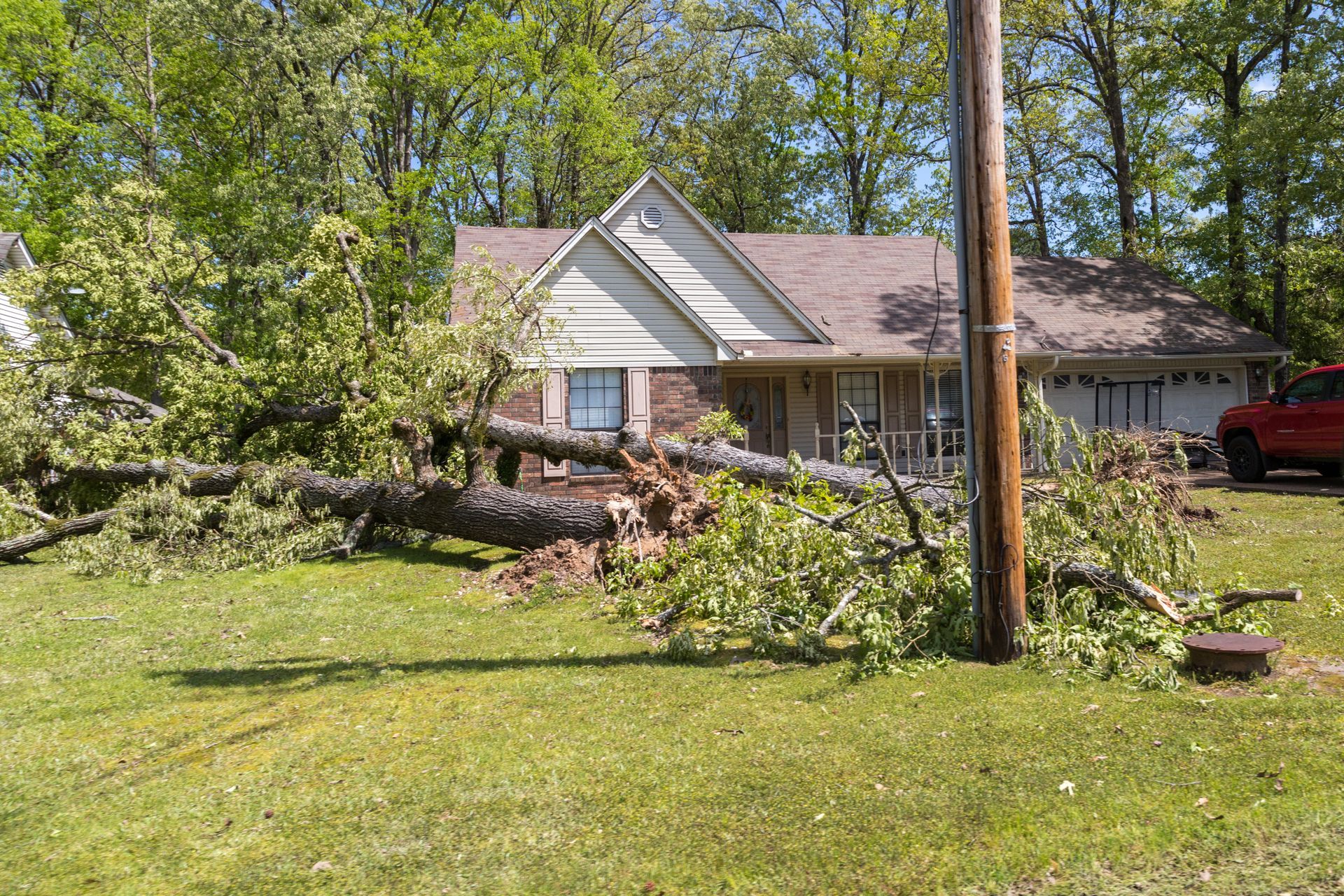
For truly urgent situations, trees posing an immediate danger to life or property can be removed without a permit.
However, you must notify the city forester within 24 hours of removal. Documenting the hazard with photos before and during removal is strongly recommended.
HOA Rules Add Another Layer
Even if your municipality does not require a permit, your homeowners association may have its own approval process. Many HOAs in communities like Ladue, Town and Country, and Des Peres require written approval before any tree is removed, regardless of size or condition. Violating HOA rules can result in fines or a forced replanting requirement. Review your HOA's CC&Rs and submit a written request before scheduling work. Your tree service can often assist with supporting documentation.
What Happens If You Skip the Permit?
Removing a tree without a required permit in St. Louis, MO, can result in fines, mandatory replanting at your own cost, or mitigation fees that exceed what the permit would have cost. Working with a certified arborist from the start helps ensure the process moves correctly from the first call.
Do I Need a Permit to Remove a Tree on My Own Property in St. Louis City?
Yes, in most cases. A permit is generally required for any tree removal on public or private property within city limits, and it must be pulled by a licensed tree service with a certified arborist on staff.
What If My Tree Falls Down on Its Own?
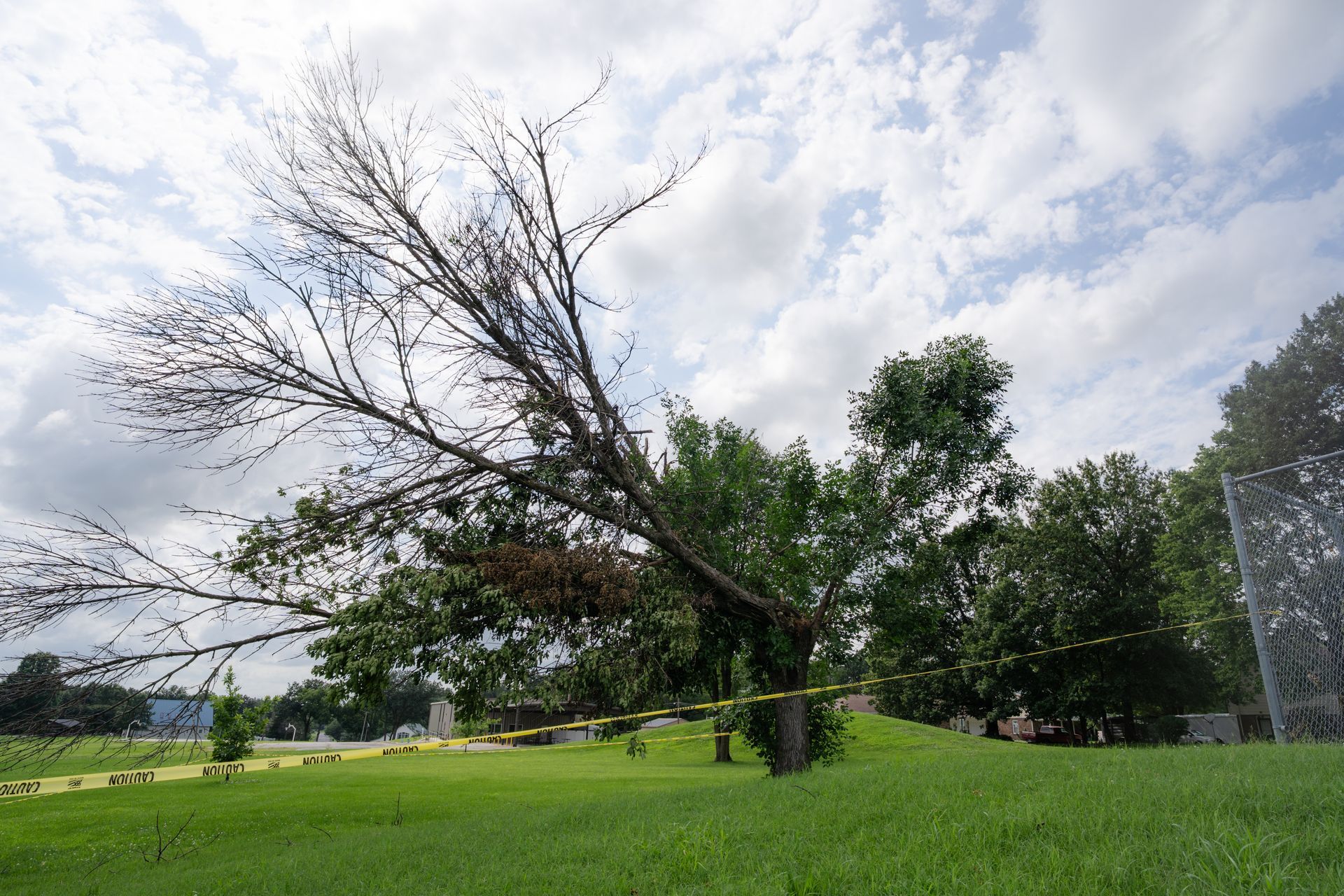
No permit is required to remove a tree that has already fallen. Take photos to document that the tree fell on its own.
Can I Remove a Tree in St. Louis County Without a Permit?
It depends on where you live. In unincorporated areas, private property removal may not require a permit, but individual cities within the county have their own rules. Always check with your local municipality.
Does the Tree Company Handle the Permit Process?
A qualified tree service with an ISA-certified arborist on staff can handle the permit application on your behalf, which is often the most efficient route since St. Louis City only issues permits to qualifying commercial tree services.
Let Baumann Tree Help You Navigate the Process
Permit rules in the St. Louis, MO, area can feel complicated, but you don't have to sort through them alone. Baumann Tree serves surrounding communities with professional tree removal handled by an ISA-certified arborist who understands local ordinances. Whether you're dealing with a dead oak, a hazardous limb over your roof, or a tree in a permit-required zone, the team can assess the situation and guide you through every step.
Ready to get started? Contact Baumann Tree today or call (636) 375-2812 to request a consultation.