Tree Diseases: 5 Common Types

Tree Diseases — Fenton, MO — Baumann Tree

Trees, like animals, are susceptible to various diseases. Unlike animals, they cannot vocally express pain nor speak up about their predicament. Therefore, you have to spot and treat diseases before they undermine the structural integrity of your trees. A diseased tree is structurally weak and can cause damage during severe weather.


Learn the common types of tree diseases.

1. Apple Scab Disease

Apple scab disease is froma fungus that attacks and infects the leaves and fruits of a victim. Common victims of apple scab disease are apple, crab apple, pear, and mountain ash trees.


Early signs of apple scab disease are olive-green spots on the leaves that later turn black or dark brown. An infected fruit also has olive-green spots, which later turn to dark brown. Infected fruits turn corky and brown with time and are usually deformed. Infected fruits are unsuitable for consumption.


However, some varieties of victim trees are resistant to apple scab. Also, racking and safely disposing of leaves before winter limit future occurrences of the disease. Fungicides also prevent healthy trees fromcontracting the disease. Sadly, fungicides are useless on already infected trees.

2. Anthracnose Disease

Anthracnose disease is a rampant disease affecting trees and shrubs. Flowering dogwood and sycamore trees are common trees that anthracnose heavily affects. Anthracnose is a condition that manifests in several different tree species froma fungal attack on the flowers, fruits, leaves, and twigs.


Symptoms manifest uniquely depending on the tree species and the pathogen strain. Nonetheless, premature leaf shed and witch's broomon twigs, a shoot deformity that manifests as clustered shoots, indicate anthracnose.


A systemic injection or application of fungicide at the budding stage treats anthracnose in sycamore trees. Victim dogwoods receive treatment from fungicides at bud break and throughout the growing season.

3. Cedar-Apple Rust Disease

Cedar-apple rust disease is froma fungus dependent on two hosts to complete its life cycle. These hosts are cedar and apple trees - hence the name cedar- apple rust.


The cycle starts with cedar, where the fungus spends the first year awaiting the following spring. When spring comes, the fungus releases spores, which the wind transports to an apple or crab apple tree. The second host can be affected even when a mile away, depending on wind travel.


Bright yellow-orange spots on the leaves and fruit along with premature leaf shed and fruit drop are common signs of cedar-apple rust. Swollen fruiting bodies on stunted twigs may also happen. Treatment is fromseveral applications of fungicide in spring before a single symptom starts to show. Planting tree varieties resistant to cedar-apple rust is a cultural control.

4. Powdery Mildew Disease

Powdery mildew disease is characterized by white spots or patches with talcum powder on plant leaves. Powdery mildew is a common plant disease that is easy to distinguish. Powdery mildew is pronounced in plants with succulent tissue in warmand dry weather types. Powdery mildew of genus Microsphaea is the most common to infest trees.


Though many plants have mutated to resist powdery mildew, chemical treatment is still often the most effective treatment.

5. Canker Disease

Canker is a unique disease in that it weakens the structural integrity of the victim in the long run. Canker weakens the structural strength of trees to the extent of branches snapping off on their own.


Extended lesions of reddish tint characterize canker disease as canker attacks tree branches, trunks, and twigs.


The most effective solution against canker disease is planting native plant varieties resistant to the disease. Removing infected twigs and branches will contain the infection fromspreading. Pruning is good for dry conditions to prevent the spread.


Tree diseases compromise the aesthetic appeal of trees, so treat any disease with immediate effect. When you need disease treatment services, Baumann Tree should be your first and only stop. Call today.
September 23, 2026
Trees are a major part of the landscape throughout St. Louis, but it isn’t always obvious when a tree needs professional attention. A tree may look healthy from a distance while damaged limbs, excessive growth, decay, or structural problems are developing. Knowing what to watch for can help St. Louis property owners address tree problems before they lead to property damage, falling limbs, or the need for more extensive work. If you notice changes in the trees around your home or business, Baumann Tree provides professional Tree Service in St. Louis, MO to help determine what your trees need.
August 19, 2026
A tree does not have to be falling over to become a concern. Sometimes the first warning is a branch scraping the roof. Other times, it is a canopy that has grown so thick it overwhelms the yard, a limb hanging above the driveway, or a tree that simply does not look as healthy as it did a few years ago. Knowing when a tree needs attention can help St. Louis property owners address problems before they become much harder to manage. Baumann Tree provides tree service, tree removal, and tree trimming in St. Louis, MO for homeowners and property owners who want to take care of troublesome trees safely and effectively. For professional tree care, call 636-375-2812. When Your Trees Start Competing With Your Property Trees and homes share the same space, and eventually that can create conflicts. A tree that was small when a home was built may now stretch across the roof, crowd a fence, block a driveway, or extend branches toward neighboring property. Mature trees can be one of the best features of a St. Louis yard, but they also require more attention as they grow. Professional tree service in St. Louis, MO can help you determine what needs to be trimmed, what should be monitored, and when removal may be the better long-term solution. Instead of treating every tree the same way, Baumann Tree can evaluate the situation and recommend an appropriate approach for the property. A Tree Doesn't Have to Be Dead to Need Removal Many people associate tree removal with completely dead trees, but there are other reasons a tree may need to come down. Its location may have become problematic, the trunk may have developed structural weakness, storm damage may have compromised major limbs, or the tree may be declining to the point that keeping it creates an unnecessary risk. With tree removal in St. Louis, MO , the surroundings matter just as much as the tree itself. Homes, garages, fences, landscaping, sidewalks, and neighboring properties can all affect how a tree should be removed. Baumann Tree can assess the tree and surrounding area before determining how to approach the job. Warning signs worth paying attention to include a new or increasing lean, large dead sections in the canopy, cracks in major limbs or the trunk, decay, broken branches that remain lodged in the tree, or noticeable changes following severe weather. If a tree on your property has you wondering whether it is still safe to keep, call 636-375-2812 and have Baumann Tree take a closer look. Tree Trimming Is About More Than Making a Tree Look Neat Trimming can dramatically change the appearance of a property, but good tree trimming should accomplish more than creating a tidy canopy. Strategic trimming can remove problematic branches, create clearance around structures, address damaged growth, and help prevent certain limbs from becoming larger concerns later. For example, you may need tree trimming in St. Louis, MO if branches are beginning to hang over your roof, interfere with a driveway or walkway, rub against one another, block visibility, or create too much weight in a particular part of the canopy. The goal is not simply to cut branches back. Trees respond to pruning, which is why knowing which branches to remove—and which ones to leave—is important. Professional trimming helps address the immediate issue while taking the overall tree into consideration. Take Another Look After a St. Louis Storm Take Another Look After a St. Louis Storm Strong winds and thunderstorms can reveal weaknesses that were easy to miss beforehand. After severe weather, take a look at the trees around your home from a safe distance. A branch may be partially broken without falling, the canopy may look noticeably different, or a tree may appear to be leaning more than it did before the storm. Damage high in the canopy can also be difficult to judge from the ground. If something looks different, having it evaluated can be a much better option than waiting to see what happens during the next round of bad weather. Give Your Trees the Attention They Need Call a certified arborist promptly if you notice sudden canopy dieback from the top down, D-shaped holes in ash bark, wilting spreading across connected trees, dark streaking under oak bark, or shepherd's crook tips on ornamental pears or crabapples. Even when symptoms seem minor, a professional inspection is worthwhile. Most tree pests target stressed trees first, making consistent care essential to prevention. Protect Your St. Louis Trees With the Right Help Sometimes a tree needs a few carefully selected branches removed. Sometimes it has reached the point where removal makes more sense. And sometimes you simply need an experienced tree professional to help you figure out which option is right. For tree service, tree removal, and tree trimming in St. Louis, MO, contact Baumann Tree. The team can help you address overgrown, damaged, declining, or inconveniently located trees and keep your property looking its best. Call Baumann Tree at 636-375-2812 today to schedule tree service in St. Louis, MO.
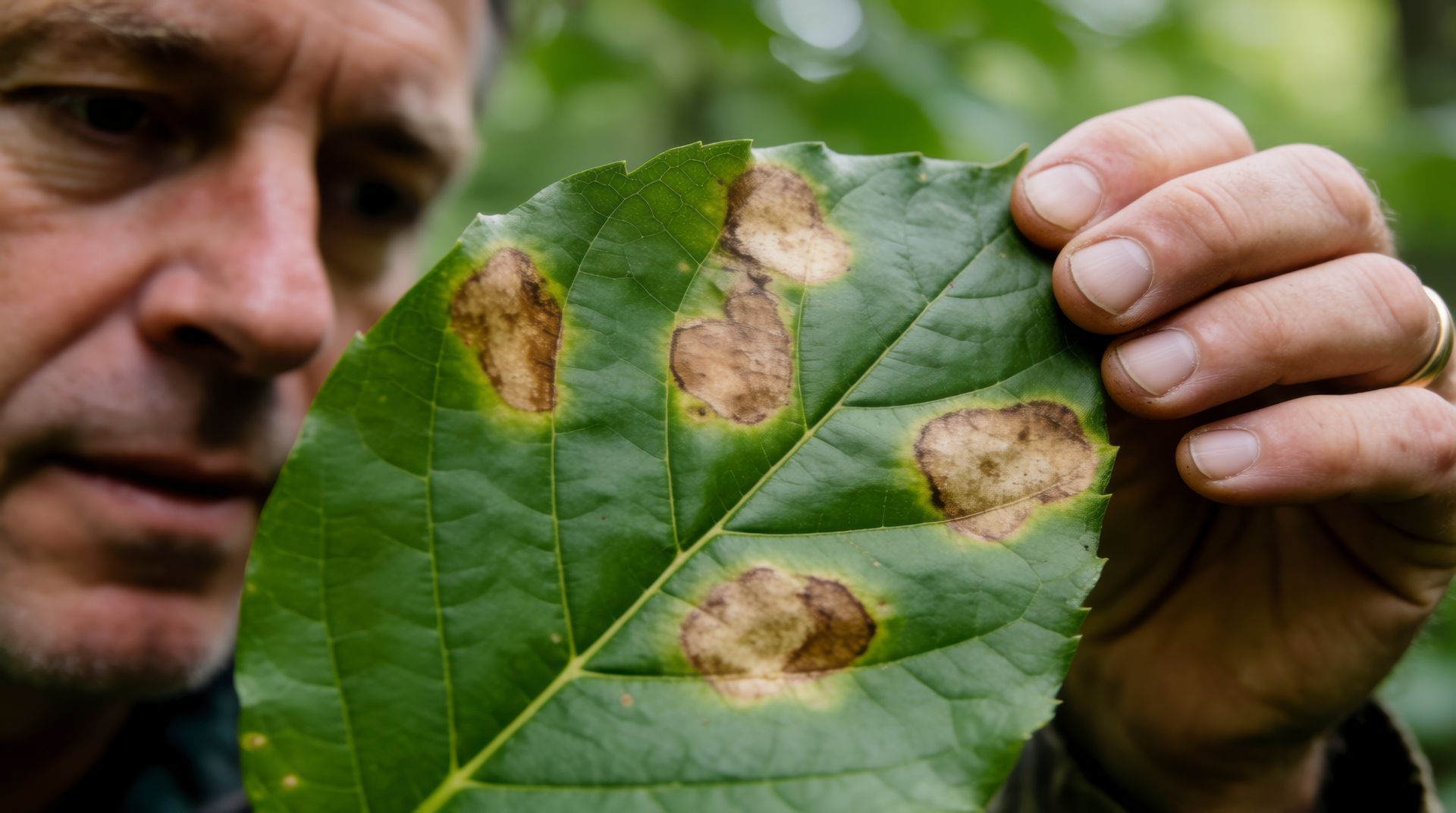
Man examining a leaf with brown spots, indicating disease or pest damage.
August 13, 2026
Learn tree disease treatment options for St. Louis, MO trees. Baumann Tree's ISA-certified arborist identifies EAB, oak wilt & more. Get an inspection today.
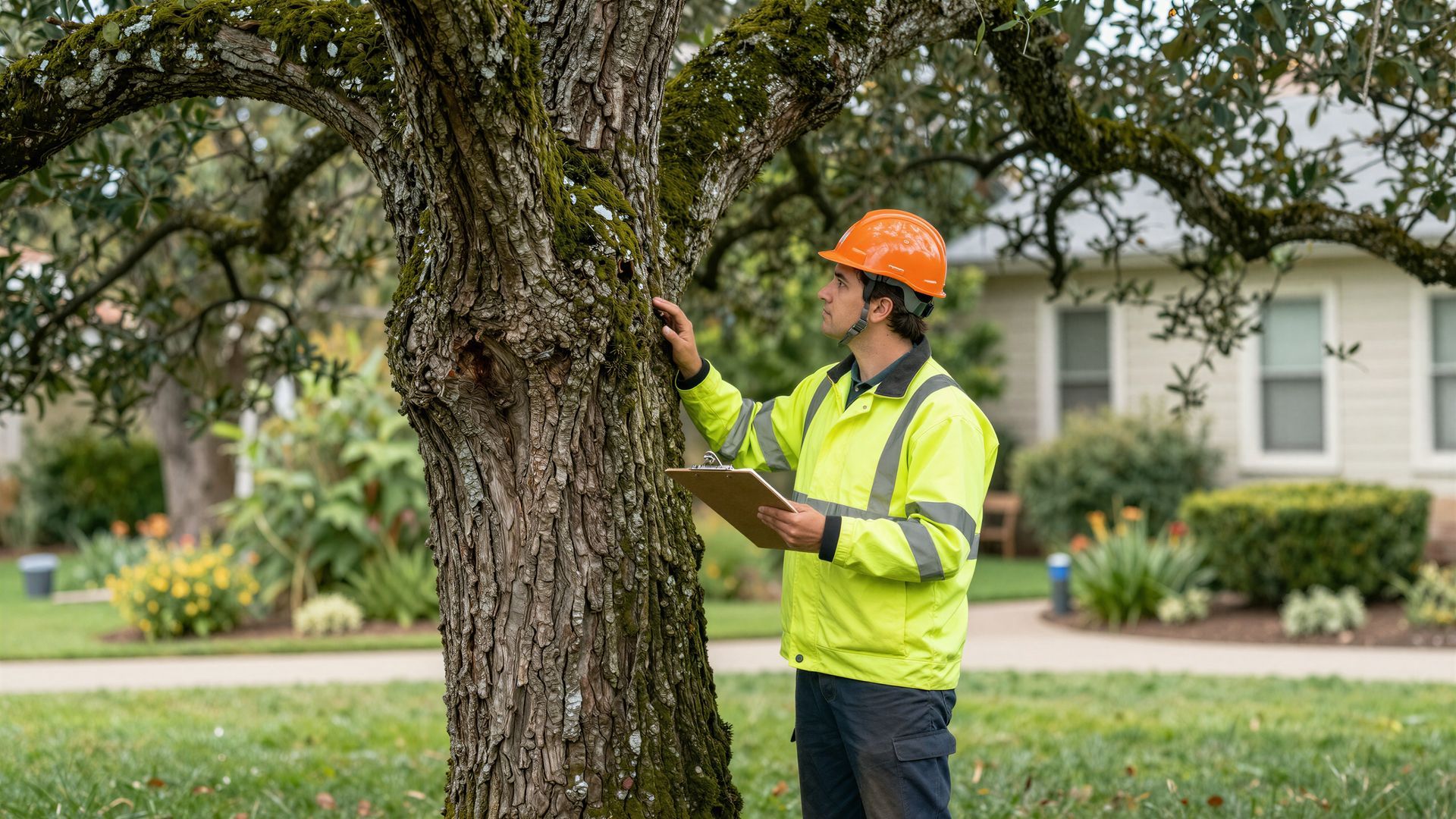
An arborist in high-visibility gear and a hard hat examines the bark of a tree trunk.
August 13, 2026
Learn why certified arborists matter for St. Louis trees. Baumann Tree offers ISA-certified expertise for safe, informed tree care. Request a quote today.
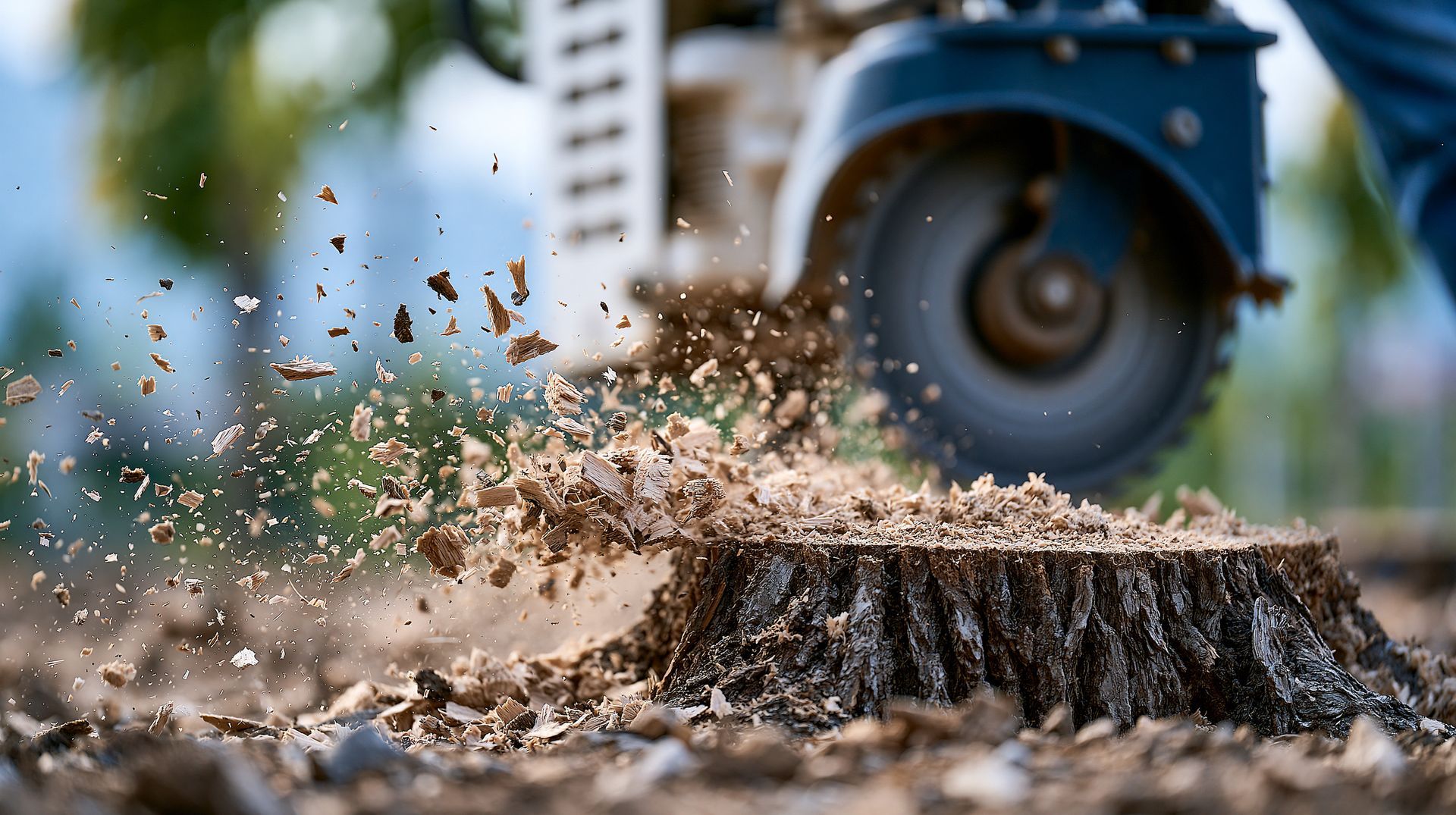
Close-up of a stump grinder machine removing a tree stump with wood chips flying in the air.
August 13, 2026
Compare stump grinding vs. full tree stump removal for your St. Louis property. Baumann Tree offers free estimates and expert service. Call today
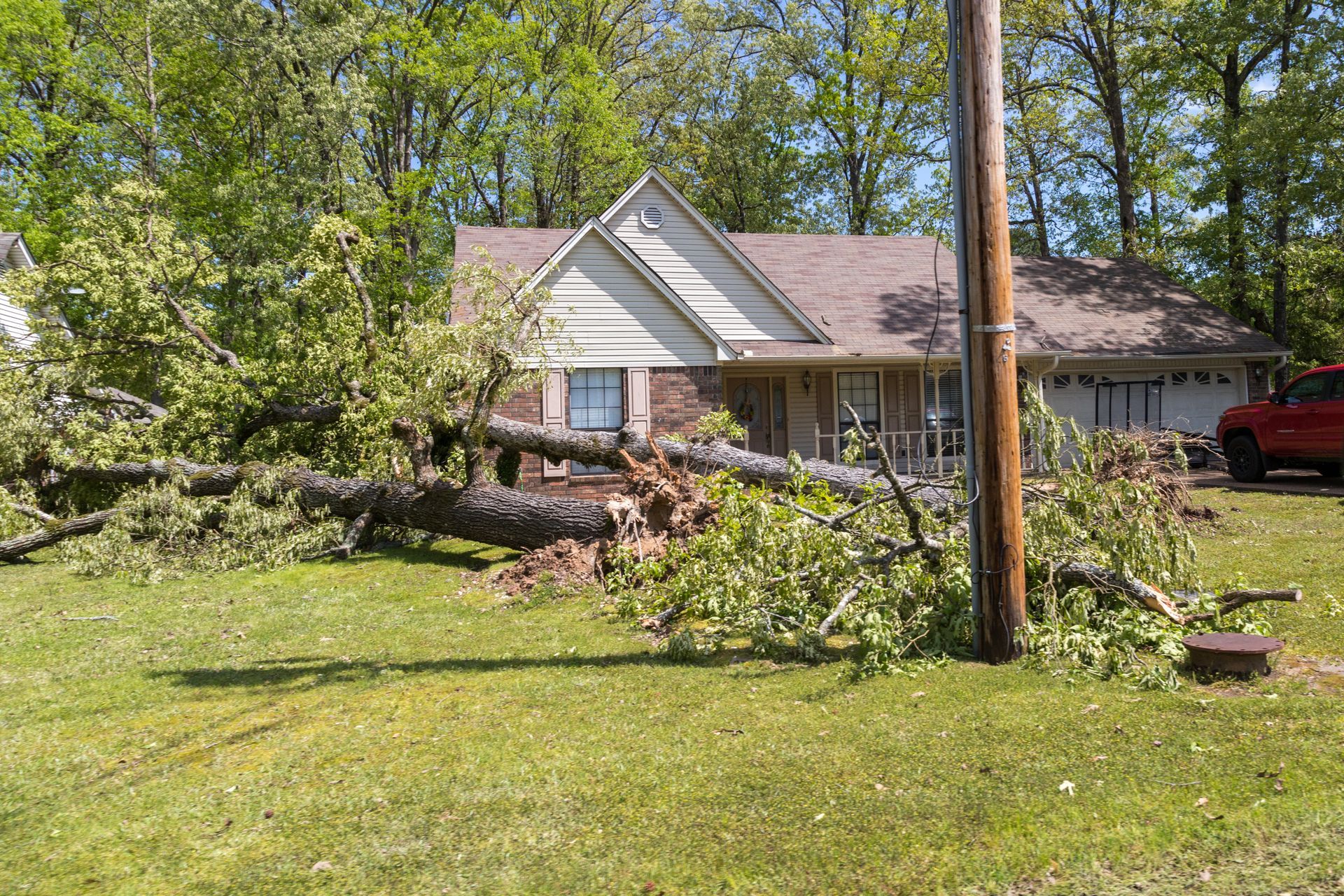
Fallen tree causing storm damage to a residential property after severe weather
July 20, 2026
Storm damage tree service in St. Louis, MO — Baumann Tree outlines safety steps, insurance tips, and when to call. Get a free estimate today.
July 14, 2026
When homeowners and businesses need dependable tree service in St. Louis, MO , they need a company that puts safety, experience, and customer satisfaction first. Whether you're dealing with a hazardous tree, storm damage, overgrown branches, or routine tree maintenance, Baumann Tree has been providing professional tree care throughout the St. Louis area for more than 30 years with an ISA Certified Arborist on staff.
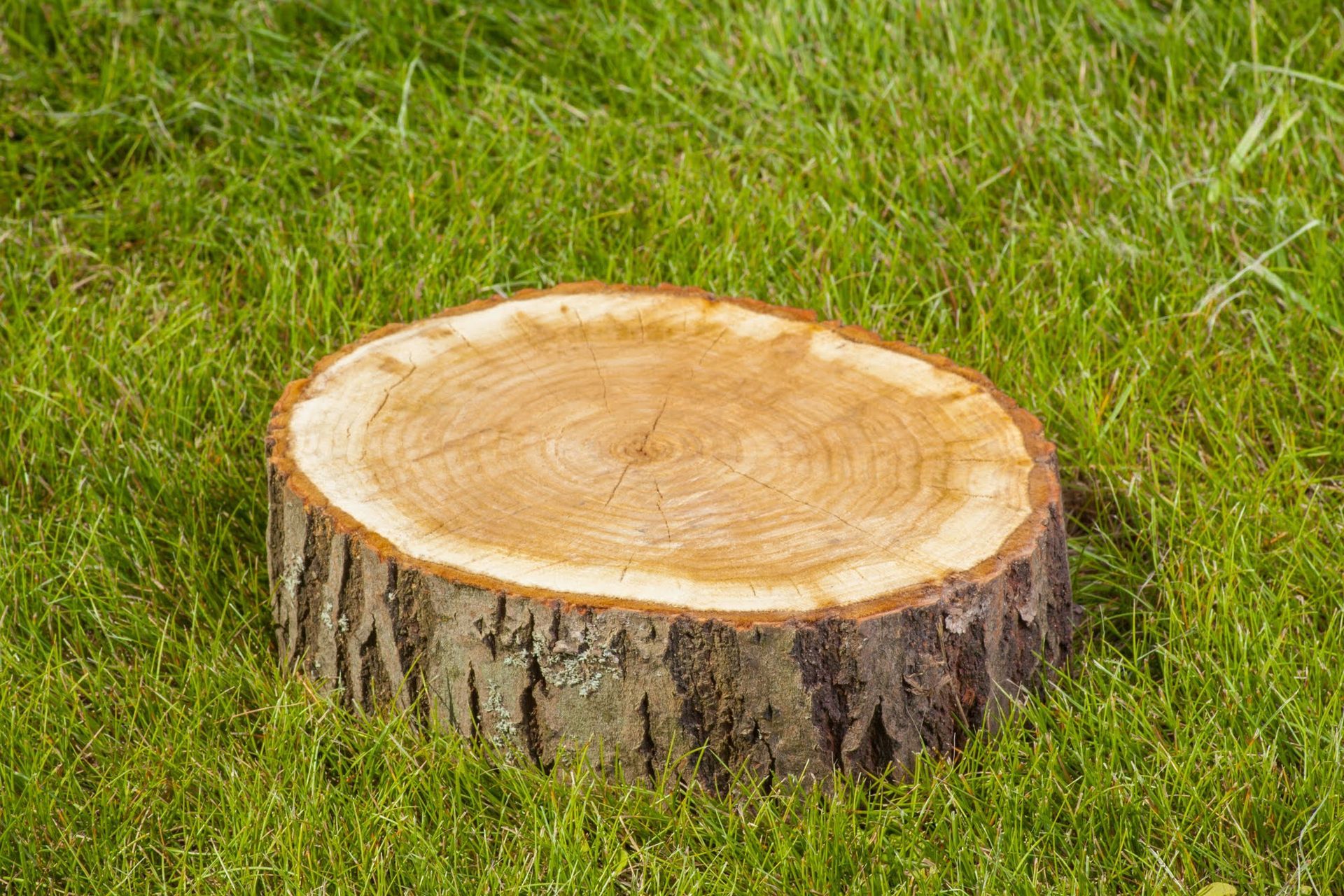
Tree stump in green grass.
June 30, 2026
Delve into the benefits of stump grinding and shrubbery removal and why it is crucial to hire a professional to do the job effectively.
June 29, 2026
Baumann Tree offers Tree Service St. Louis, Tree Removal, Tree Trimming & Certified Arborist services in St. Louis, Wildwood, Frontenac, Chesterfield & Eureka, MO. Call 636-375-2812 for expert tree care.
Person climbing a tall tree in a lush green forest, seen from behind with safety gear.
June 25, 2026
Learn why hiring a certified arborist in St. Louis, MO matters. Baumann Tree offers ISA-credentialed tree care. Call for a free estimate today.